

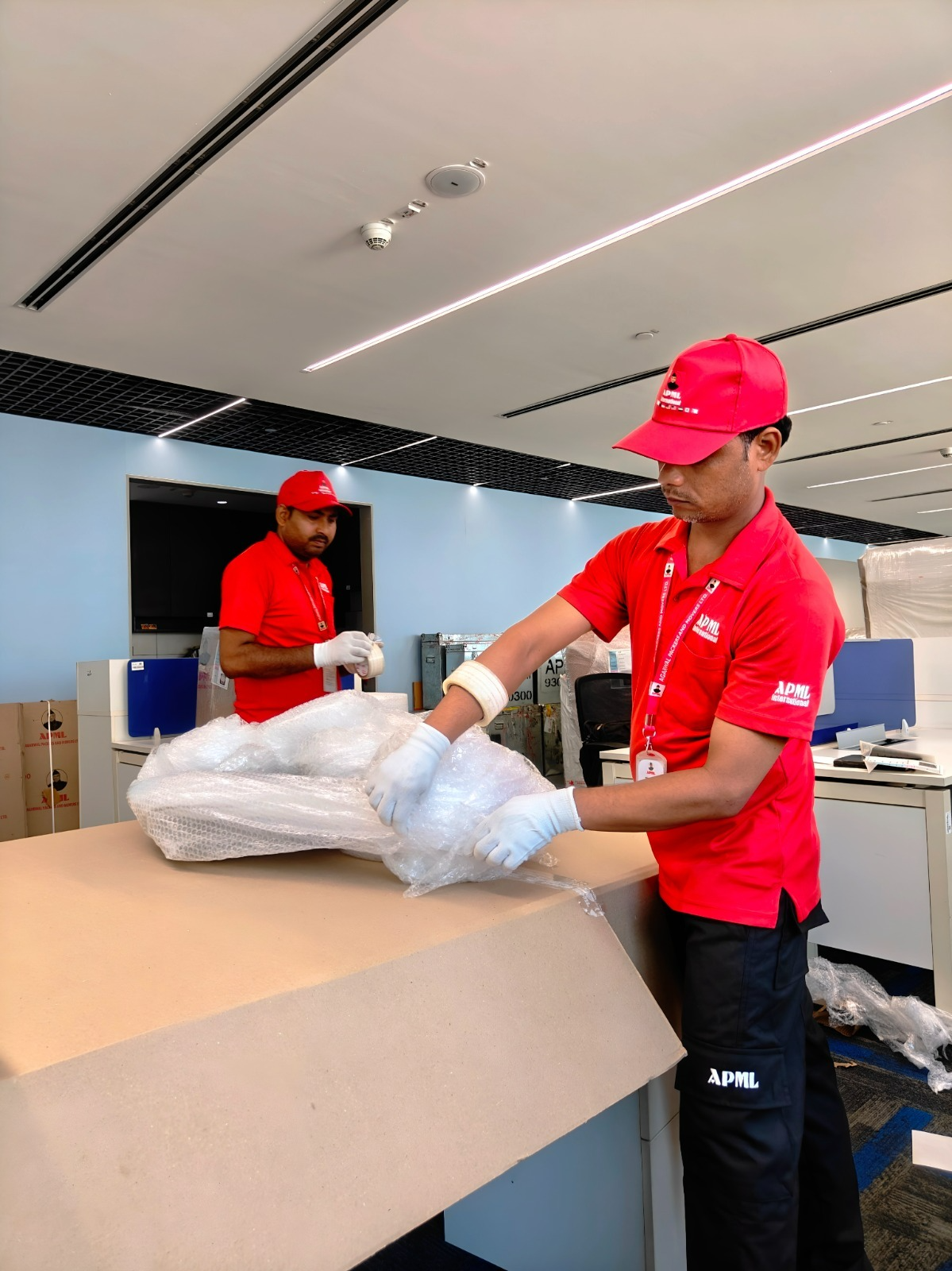
Moving to a new property on the Gold Coast can involve plenty of planning. Furniture needs to be prepared, belongings need to be sorted, and both properties should be ready for collection and delivery.
A structured approach can make the process easier, whether you’re moving between Gold Coast suburbs, changing property types or relocating a workplace.
If you need professional moving assistance, Removalists in Gold Coast can help with the transportation and handling of your belongings.
Begin With a Clear Moving Plan
Before packing anything, determine what your move involves.
Think about:
- Current property size
- New property size
- Number of rooms
- Large furniture
- Appliances
- Fragile belongings
- Garage items
- Outdoor furniture
- Property access
This information gives you a better starting point for organising the move.
Sort Your Belongings Before Packing
Don’t wait until moving day to decide what you’re taking.
Go through each room and separate items into four groups:
Keep: Things you still use.
Sell: Unwanted items that may have value.
Donate: Useful belongings you no longer require.
Dispose: Damaged or unusable items.
Check wardrobes, cupboards, garages and outdoor storage areas as well.
Removing unnecessary items before packing can make the rest of the move more manageable.
Build a Simple Moving Inventory
A basic inventory can help you keep track of larger belongings.
Record items such as:
- Beds
- Sofas
- Wardrobes
- Dining tables
- Refrigerators
- Washing machines
- Televisions
- Desks
- Outdoor furniture
- Garage equipment
For cartons, room-based labels are usually more useful than complicated descriptions.
Pack According to How You Live
Start with things you don’t need every day.
Examples include:
- Seasonal clothing
- Decorations
- Books
- Guest-room items
- Spare kitchenware
- Stored equipment
Keep everyday essentials available until the final stages of packing.
This lets you continue your normal routine while preparing for the move.
Make Your Box Labels Useful
A good label should tell you where the carton belongs and what’s inside.
For example:
Kitchen – Cookware
Main Bedroom – Linen
Study – Documents
Garage – Tools
Add a clear fragile marking to boxes containing delicate belongings.
This can make unloading and unpacking more organised.
Prepare Furniture for Transportation
Large furniture requires careful preparation.
Before collection:
- Empty drawers and cupboards
- Remove loose items
- Disassemble suitable pieces
- Keep screws and fittings together
- Protect delicate surfaces
- Identify oversized furniture
If you have particularly large or individual furniture items, you can also explore furniture removal services.
Check Access Before Moving Day
Access can affect how quickly furniture can be loaded or unloaded.
At your current Gold Coast property, check:
- Driveway access
- Parking
- Stairs
- Doorways
- Narrow hallways
- Gates
- Loading areas
Do the same at your destination.
If you’re moving into an apartment, ask building management about lift bookings and moving restrictions.
Moving From a House
House moves may offer more direct access, but that doesn’t mean every property is straightforward.
Check whether large furniture can pass through gates, doorways and corridors.
Clear pathways where possible.
If there are stairs or difficult access points, tell the removalist before moving day.
Moving From an Apartment
Apartment relocations often require additional coordination.
Confirm:
- Lift availability
- Loading zones
- Parking arrangements
- Building access
- Permitted moving times
Share these details with your moving provider before the scheduled collection.
Prepare an Essentials Bag
Don’t pack every item into the main household shipment.
Keep a separate bag with:
- Keys
- Identification
- Important paperwork
- Medication
- Phone chargers
- Toiletries
- Basic clothes
- Personal electronics
If you’re moving with children, include their immediate needs too.
Protect Your Electronics
Computers, televisions and other electronic devices need careful preparation.
Back up important files before moving.
Label cables and accessories.
Keep related components together.
If you have sensitive equipment, mention it when discussing your moving requirements.
Prepare Kitchen Items Strategically
The kitchen can contain a surprising number of belongings.
Begin with items you rarely use.
Keep basic cookware, plates, cups and everyday food supplies available until closer to moving day.
Wrap fragile kitchenware carefully and avoid making cartons excessively heavy.
Don’t Forget the Garage
Garages can become storage areas for tools, equipment and miscellaneous belongings.
Before leaving, check:
- Toolboxes
- Bicycles
- Sporting equipment
- Gardening tools
- Shelving
- Storage containers
- Outdoor equipment
Include these items in your moving inventory.
Moving a Home Office
If you work remotely, organise your office as its own moving category.
Prepare a list of:
- Desk
- Office chair
- Computer
- Monitor
- Printer
- Cables
- Documents
- Storage devices
Back up important data and keep essential work equipment easy to locate after delivery.
Planning a Gold Coast Business Relocation
Commercial moves require careful scheduling because business operations may need to continue during the transition.
Prepare an inventory of office furniture and equipment.
Label items according to their destination.
For example:
Reception
Meeting Room
Accounts
Workstations
For larger workplace moves, commercial removal services may be considered.
Consider Storage When Moving Dates Don’t Match
Your move-out and move-in dates may not always be the same.
If your new property isn’t ready, temporary storage can help bridge the gap.
Before arranging storage, check:
- Storage duration
- Collection process
- Delivery process
- Access arrangements
- Additional charges
Make sure storage fits into the overall relocation schedule.
Prepare the New Property
The destination should be ready before your belongings arrive.
Check:
- Parking
- Building access
- Driveways
- Entrances
- Stairways
- Lifts
- Clear pathways
Decide where large furniture should be positioned.
Having a basic room layout ready can make unloading more efficient.
How to Choose Removalists in Gold Coast
When comparing removalists in Gold Coast, don’t base your decision only on the lowest quotation.
Look at the full scope of the service.
Ask about:
- Loading
- Transportation
- Unloading
- Packing
- Furniture handling
- Difficult access
- Storage
- Commercial relocation
- Additional services
Provide accurate details about the property and the items being moved.
For a wider range of moving options, visit professional moving services.
What Can Affect Moving Requirements?
The needs of a Gold Coast move can vary considerably.
Factors include:
- Number of belongings
- Furniture volume
- Property size
- Moving distance
- Stairs
- Lift access
- Parking
- Packing requirements
- Storage
- Additional services
Giving your removalist detailed information helps them understand the scope of your move.
Moving Day Checklist
Before loading begins, check that:
- Cartons are sealed
- Fragile items are identified
- Personal valuables are with you
- Access routes are clear
- Keys are available
- Destination details are confirmed
After loading, walk through the entire property one final time.
Check cupboards, wardrobes, garage areas, outdoor storage and other less obvious spaces.
Unpack the Important Rooms First
Once you arrive, don’t feel pressured to unpack everything at once.
Start with:
1. Bedroom
Set up beds and basic clothing.
2. Bathroom
Arrange essential toiletries and towels.
3. Kitchen
Prepare basic cooking and eating items.
4. Home Office or Children’s Room
Set up whichever space needs to become functional first.
5. Remaining Rooms
Unpack storage and decorative belongings gradually.
Frequently Asked Questions
How do I choose removalists in Gold Coast?
Compare the services offered, quotation details, access requirements and experience with your type of move. Consider the complete service rather than just the advertised price.
When should I book removalists in Gold Coast?
It’s sensible to begin planning once your moving date is reasonably confirmed. This gives you time to sort, pack and organise access.
What should I pack first?
Start with items you rarely use, including seasonal clothing, decorations, books and spare household belongings.
Should I measure large furniture?
Yes. Check large furniture against doorways, hallways, stairs and other access points at both properties.
What should I keep with me during the move?
Keep important documents, medication, keys, valuables, chargers and immediate personal essentials separate from the main shipment.
Can removalists move bulky furniture?
Large furniture can be included in a household relocation. Tell your removalist about oversized, fragile or difficult-to-handle pieces beforehand.
Can businesses use removalists on the Gold Coast?
Yes. Commercial relocations can include office furniture, equipment and documents. Planning the move around business operations can help reduce disruption.
What happens if my new property isn’t ready?
Temporary storage may be useful when your move-out and move-in dates don’t match. Discuss storage requirements before confirming the relocation.
Make Your Gold Coast Relocation More Organised
A successful move starts with preparation.
Declutter before packing, create a simple inventory, label cartons clearly and prepare furniture and access routes before moving day.
It’s also important to provide accurate information when arranging professional moving assistance.
If you’re planning a residential or commercial relocation, explore Removalists in Gold Coast for more information.