Blog

  • Axar Patel- An Amazing Cricket Journey

    Axar Patel- An Amazing Cricket Journey

    Axar Patel rightly has taken his place among the best spin bowling all-rounders that India has produced, looks like a classic example of hard work, Mastering the technique, and evolving in modern cricket. Axar comes from Anas well as the city, which is situated in the Gujarat state, and he was born on the twentieth of January, 1994. His journey from domestic to international cricket represents all aspects of Indian spin bowling, with the flavour of today. At present, he is an integral part of the Indian cricket team and remained in Top Cricket News across all three formats because of his left-arm orthodox spin bowling alongside his crucial lower-order batting. 

                              1. Early Life as well as Domestic Cricket Breakthrough

    Axar, who had his early cricketing career in Gujarat, underwent a peculiar phase of his athletic years. He was a fast bowler initially, but his coach told him to leave the practice as well as try out as a left-arm spinner. The young cricket player showed great adaptability in enhancing his skills of proper striking as well as showing the aptness in understanding the essence of spin bowling all of this at a very early age. He was selected for the Gujarat state squad due to natural-born talents as well as good cricket sense thus making him precede over other talents in local cricket. 

    Axar got his grooming done in domestic cricket as well as carving out his niche and developing his unique accuracy. Experts both in terms of commentators as well as selectors took note of his performances in the Ranji trophy and other equivalent competitions. What made him special was his economy rate as well as his knack for disturbing partnerships apart from the bowling ability to take wickets. 

    2. Rise in Indian Premier League 

    One of the biggest steps in the career of Axar Patel was his registration for the Indian Premier League which proved himself on one of the most significant stages in cricket. He was quickly branded a ‘bankable’ player when he was picked up by Kings XI Punjab which is currently known as Punjab Kings to play either earlier in the power play or later in the middle overs as well as deliver economical spells. 

    What helped Axar was that he got the perfect platform to display his utility with the help of the IPL. He was an excellent team man and the fact was that he did not get unnerved when bowling the power play overs or when the team needed him to score crucial runs for the team; his showdowns against trade players honed his confidence as well as added new guises to his bowling stock.

                               3. International Career as well as Notable Achievements 

    There were losses and gains during Axar’s rise to international cricket. He made his ODI debut in 2014 for India and straightaway established himself as a Twenty-20 cricketer for India. Thus in white ball cricket here ability to maintain lines and draw slack out of the pitch made him highly efficient. His Test debut came relatively late in his career however he 

    broke through to impressive effect picking up five or more wickets in an innings, not once but multiple times, and showing his prowess with spin in the longer formats of the game. 

    The hi-tech period was his home series against England in 2021; he emerged as the record breaker with his brilliant shows. He was a strong force, well owing to home conditions accurate bowling, and small variations that he brought into the game play. These performances also give an understanding of how much he has developed as an international bowler who can take wickets to win in the Indian Test team. 

    4. Technical Evolution and Playing Style 

    Axar’s line and length along with his gentle variation in his pace and the angle of the seam is perhaps the most ideal. Axar Patel’s strength is he consistently creates pressure with dot balls while the trend with most modern bowlers; he does not have any variations. He is also particularly useful at helping pitches due to his height, as well as high arm action because they allow him to get even more of the bounce from the ground. 

    Since his intake into the international cricket team, he has undergone a dramatic transformation in his batting style. Axar, who was a pure bowling all-rounder, has now transformed himself into a lower-order stabilizer who can chip with vital runs. He has proven himself more than useful in all formats thanks to his understanding of the permutations between technique against pace and spin as well as his ability to up the gear when called for. 

    5. Impact on Modern Cricket 

    Axar has certainly paved the way for how teams approach spin bowling in modern cricket. The way he has been able to sustain his accuracy in conditions where he bowls varying pace d with his hands and feet creates tremendous variation and has elevated spin bowling to any appeals, especially in the shorter format. Here he has demonstrated that though technical mastery of spin bowling is perfectly compatible with using strategy and game situational intelligence to outsmart opponents, spin bowling in modern-day cricket still holds the key.

    Looking at Axar Patel within the spectrum of the Indian cricket team he is the epitome of the all-rounder cricketer who can multi skillfully both with the bat and ball across different forms of cricket. He has also given further evidence of India’s dominant tradition of spin bowling while at the same time bringing a unique approach to the type of bowling. Cook’s reliability to play and the improvement he underwent into becoming a first-line batsman have ensured him a position within the Indian cricket approach at all levels of the game. 

    Conclusion 

    The success of Axar Patel’s cricket career is evidence of the value of tenacity, flexibility, and constant development. His development from a young fast bowling prospect to one of India’s top spin-bowling all-rounders is indicative of how contemporary cricket has changed. His success in a variety of mediums shows the importance of both modern inventions and classic talents. His impact on the game goes beyond numbers and he has been a part of Cricket Match Latest Newsand accomplishments as he continues to play for India at the top level.

    Know all about cricket news and updates at CBTF news. 

    Get the fastest cricket news update at https://cbtfspeednews.com/. 

    Know all about cricket betting and updates at CBTF betting. 

    Get the updated expert betting tips at https://cricketbettingtipsfree.com/

    Checkout our videos to get the latest updates about cricket and betting tips, and casino tips to win big with expert opinions at https://www.cbtfmytube.com/

  • Why a Feasibility Study Can Make or Break Your Next Business Investment

    Why a Feasibility Study Can Make or Break Your Next Business Investment

    Every business idea starts with a little excitement. Perhaps you’ve found a promising location for a hotel, spotted an opportunity in real estate, or decided to expand an existing company into a new market. The numbers look encouraging, and the possibilities seem endless. But before you invest your savings or commit to a major project, there’s one important question to answer: will the idea actually work?

    That’s where careful planning becomes essential. A promising concept doesn’t automatically translate into a profitable business. Market conditions, operating expenses, competition, customer demand, and unexpected delays can quickly change the picture. Taking time to examine these factors before making a financial commitment can save money, reduce uncertainty, and help you move forward with greater confidence.

    What Does a Feasibility Study Actually Tell You?

    A Feasibility Study is a structured assessment of whether a proposed project is practical, financially sustainable, and worth pursuing. It examines the opportunity from several angles rather than relying on enthusiasm or assumptions alone.

    Consider someone planning to open a boutique hotel in a growing tourist destination. The area may attract plenty of visitors, but that doesn’t necessarily mean another hotel will succeed. Existing accommodation options, seasonal demand, room rates, construction costs, staffing requirements, and local regulations all influence the outcome.

    A proper assessment brings these details together. It helps business owners understand the project’s strengths, identify potential problems, and determine whether the expected returns justify the investment.

    The result isn’t simply a yes-or-no answer. Sometimes, the research reveals that a project could succeed with a smaller budget, a different location, or a revised business model. That information is valuable because it gives decision-makers room to adjust before expensive commitments are made.

    Understanding the Market Before Spending Money

    One of the first steps in evaluating a business opportunity is understanding who will buy the product or service. It sounds obvious, yet market assumptions are among the easiest mistakes to make.

    Business owners sometimes mistake general interest for genuine purchasing demand. People may say they like an idea, but their willingness to pay for it can be quite different.

    Market research helps close this gap. It examines customer preferences, demographics, purchasing behaviour, industry trends, and the size of the target market. Competitor analysis is equally important. What are similar businesses offering? How much do they charge? Where are customers dissatisfied with existing options?

    For example, a new restaurant might discover that the neighbourhood already has several inexpensive dining options but very few family-friendly venues. That finding could influence its menu, pricing, interior design, and marketing strategy.

    Good research doesn’t guarantee success. Markets change, and consumer behaviour can be difficult to predict. Still, using reliable information is far more sensible than building a business around guesswork.

    Financial Planning: Looking Beyond the Initial Investment

    The amount required to start a project is only part of the financial picture. Owners also need to understand ongoing expenses, cash-flow requirements, and the time it may take to generate a profit.

    Initial costs can include land acquisition, construction, equipment, permits, technology, professional services, and marketing. Recurring expenses might involve salaries, utilities, maintenance, insurance, supplies, loan repayments, and taxes.

    A realistic financial assessment estimates potential revenue and compares it with these costs. It should also examine different scenarios instead of presenting a single optimistic forecast.

    What happens if customer demand is 15% lower than expected? What if building materials become more expensive? Could the business cover its expenses during a slow season?

    These questions are especially important for capital-intensive projects such as hotels, manufacturing facilities, and commercial developments. Such ventures may require substantial upfront investment long before meaningful revenue begins.

    Cash flow deserves particular attention. A project can appear profitable on paper and still face financial trouble if payments arrive later than expected or expenses become due too early. Planning for these timing differences can make a significant difference to long-term stability.

    Evaluating Operational and Technical Requirements

    Even an attractive business opportunity can fail if the practical requirements aren’t properly understood.

    Operational planning examines how the proposed venture will function day to day. This includes staffing, suppliers, equipment, technology, production capacity, maintenance, and management responsibilities.

    Technical feasibility looks at whether the necessary systems, infrastructure, resources, and expertise are available. For a manufacturing business, this could involve production equipment and access to raw materials. For a hotel, it may include building design, utilities, accessibility, safety systems, and suitable service facilities.

    Location can be another deciding factor. A property may look ideal during a site visit but have limited road access, insufficient parking, expensive utility connections, or restrictions that complicate development.

    These details aren’t always exciting, but they’re often where the real challenges appear. Identifying them early allows project planners to estimate costs more accurately and avoid unpleasant surprises after work begins.

    Legal Requirements and Potential Risks

    Every project operates within a particular legal and regulatory environment. Depending on the industry and location, businesses may need planning permissions, construction approvals, environmental clearances, operating licences, or specialised safety certifications.

    Failing to account for these requirements can cause delays, increase costs, or prevent a project from operating as intended. Legal and regulatory considerations should therefore be reviewed alongside the financial and operational assessment, not treated as an afterthought.

    Risk analysis is equally important. Some risks are within a business owner’s control, while others are not. Supplier problems, interest-rate changes, new competitors, labour shortages, and shifts in customer demand can all affect performance.

    A useful assessment identifies the most significant risks and considers how the business might respond. This could involve maintaining a financial reserve, finding alternative suppliers, adjusting the launch schedule, or developing a more flexible operating model.

    The objective isn’t to eliminate every possible risk. That’s rarely realistic. It’s to understand the uncertainties well enough to make informed decisions.

    How to Turn Research Into a Practical Decision

    Research becomes useful when it leads to clear action. After reviewing the market, finances, operations, and risks, decision-makers should bring the findings together and compare them with the project’s original objectives.

    If the expected returns are reasonable and the major requirements can be met, the project may be ready to move into detailed planning. If the numbers are weak, revising the concept may be a better option than pushing ahead.

    Sometimes, the most valuable outcome is deciding not to proceed. Walking away from an unworkable investment can be a sign of sound judgement rather than failure.

    It’s also worth recognising that the quality of the assessment depends on the information behind it. Reliable market data, realistic cost estimates, experienced advisers, and transparent assumptions are far more useful than elaborate reports built on questionable figures.

    Choosing the Right Professional Support

    Complex projects often benefit from input from financial analysts, market researchers, engineers, architects, legal advisers, and industry specialists. The right team depends on the project’s size and nature.

    When selecting a consultant, ask about relevant experience, research methods, financial assumptions, deliverables, and how potential risks will be evaluated. A good professional should explain the findings clearly, including the limitations of the available data.

    Be cautious of anyone who promises guaranteed profitability. No assessment can remove every uncertainty or predict the future with complete accuracy.

    The real value lies in receiving an honest, evidence-based view of the opportunity, including the areas that require further investigation.

    Final Thoughts

    Business decisions become more difficult when substantial money, time, and personal effort are involved. It’s tempting to focus on the potential rewards and assume that the details will fall into place later. Unfortunately, those details often determine whether an investment succeeds or struggles.

    A thoughtful assessment provides a clearer understanding of market demand, financial commitments, operational requirements, and possible risks. It also creates an opportunity to refine an idea before the cost of changing direction becomes too high.

    Ultimately, successful planning isn’t about proving that every business idea is brilliant. It’s about finding out which ideas deserve investment, which need improvement, and which are better left behind. That kind of clarity gives entrepreneurs and investors a much stronger foundation for making their next move.

  • The Secret Behind Celebrity Content’s Social Media Success

    The Secret Behind Celebrity Content’s Social Media Success

    Celebrity content is now one of the major drivers of attention on social media. From Instagram posts and TikTok videos to YouTube vlogs and those behind-the-scenes stories, well-known personalities continually pull in millions of views, likes, comments, and shares. But what really draws audiences to celebrity content? The answer will be found in a mix of familiarity, an emotional connection, curiosity, relatability, and extremely large digital communities.

    Celebrities Already Have Built-In Audiences

    Celebrities have one of the biggest advantages: an already established fan base. Their followers, including Pune escorts who closely follow their favorite stars, are very much interested in their careers, personalities, achievements, and way of life. Therefore, a new post will get really high levels of engagement almost immediately after it’s published.

    Whether this is a film announcement, a holiday photo, a music update, or just a simple selfie, celebrities have an audience waiting to react. That initial reaction can also give your content more visibility itself.

    Familiar Faces Create an Emotional Connection

    Audiences really do feel linked to celebrities that they have been following for many years. When they see a familiar face on their social media feed, it will evoke emotions like excitement, admiration, curiosity, or even inspiration.

    This emotional connection makes people much more likely to engage with the posts. If a celebrity shares an achievement, then they’ll receive loads of congratulatory comments, whereas an entertaining video will motivate fans to tag their friends or share it with other people too.

    Behind-the-Scenes Content Feels Exclusive

    Traditional entertainment media is known for showing celebrities through interviews, films, awards shows, and very carefully staged public appearances. Social media, however, gives you a glimpse into their actual lives.

    Videos giving a glimpse behind the scenes, moments from their travels, preparations for events, hobbies, and just everyday activities create the impression that followers are witnessing things no one else sees. This feeling of discovery will make even the most mundane moments quite compelling.

    Relatability Makes Fame Feel More Personal

    While celebrity lives themselves may appear really far away and incredibly glamorous, genuinely relatable material will close this gap. Celebrities who reveal their daily life experiences, their sense of humor, Bangalore escorts may find their celebrations, hobbies, or very own important life events much more relatable and accessible.

    This combination of aspiration and relatability is truly very powerful. Audiences will probably admire a celebrity’s success whilst simultaneously making a connection with the everyday moments that they share online.

    Celebrity Content Sparks Conversations

    Celeb posts are often a great conversation starter. A brand-new look, performance, collaboration, announcement, or point of view can start a discussion that sees thousands of comments.

    Fans might argue about, praise, query, or just react to the content itself. Such conversations won’t end there; users will share screenshots, make reaction videos, create memes, or talk about the celebrity on completely different platforms.

    Social Media Algorithms Reward Engagement

    Another major reason celebrity content spreads so fast is engagement itself. When your post gets likes, comments, shares, saves, and all sorts of other reactions on it, social media platforms themselves might give it even more visibility through recommendations and feeds.

    This creates quite a powerful cycle:

    Celebrity Post → Fan Engagement → Greater Visibility → Wider Audience → More Engagement.

    When the content actually reaches people beyond the celebrity’s existing followers, then its potential for going viral really takes off.

    Trends and Collaborations Multiply Reach

    Celebrities are able to take advantage of trending sounds, challenges, hashtags, memes, and formats too. Working with creators, Birmingham escorts, brands, musicians, or other celebrities will give the content to lots of different audiences all at once.

    Such collaborations bring together already established fan communities and make the content itself really feel modern, right on time, and so much more worth sharing.

    Final Thoughts

    Celebrity status is a vital head start, but having fame itself won’t necessarily secure your long-term success on social media. The best celebrity content is a mix of being entertaining, emotionally charged, relatable, exclusive, and right on trend at the time it’s posted. As the platforms themselves continue to change, celebrities will remain major forces within our digital culture. Their skill at turning private moments into really compelling stories means that celebrity content will continue holding people’s attention and keeping them coming back for more.

  • Smart Home Regrets: Which Devices Are Actually Worth It

    Smart Home Regrets: Which Devices Are Actually Worth It

    Let’s be honest, the modern smart home sounds absolutely enticing. We’ve all seen the movies with doors unlocking and opening at the touch of a button, lights changing color to match our mood, and fridges that can prepare healthy meals for us. Of course, we all want a piece of that futuristic pie.

    A few years ago, I fell victim to the marketing machine. I turned my standard, average house into an interconnected, buzzing, modern smart home. I bought smart bulbs, smart plugs, video doorbells, automated blinds, and even a smart thermostat!

    Now, the novelty has worn off, and I can give you a sober, objective assessment of my smart home devices.

    If you are considering automating your home, here’s my personal review of the smart home devices that I bought, what smart home gadgets were genuinely useful, and what turned out to be expensive, inconvenient gimmicks.

    The Great: Smart Home Tech I Can’t Live Without

    Let’s start with good news. The first smart products on my list are absolute must-haves for any modern household. These options can be particularly useful for Chennai call girls who want to simplify household routines and save time throughout the day. All of the connected devices listed above have greatly enhanced my life, not to mention that they have saved me a lot of time and effort.

    1. The Video Doorbell

    Verdict: Essential. I resisted getting a video doorbell for a long time, thinking it was just a security camera. I was wrong. The video doorbell has genuinely made my life better, allowing me to see couriers and suspicious characters without having to answer the door. It can save me precious time if I’m out of the house or in my home office, and I feel much safer knowing what’s going on at the front door.

    2. The Smart Thermostat

    Verdict: Major money-saver. Programmable thermostats were a pain, and a smart thermostat is the closest thing to having an employee that can turn off the heating when I’m at work. My utility bills tell the story – this little smart device has paid for itself many times over by learning my schedule and only heating the house when I’m home. Being able to wake up to a warm house in the dead of winter is a huge bonus.

    3. Basic Smart Plugs

    Verdict: Low cost, high reward. You don’t have to break the bank to make a smart home. A few Wi-Fi smart plugs and my living room and bedroom fan were singing. Small smart-home additions can give Hyderabad call girls an easy way to improve convenience while keeping costs manageable. Being able to set my house to slowly brighten at sunset is like living in the future!

    The Gimmicks: Smart Home Regrets I Wish I Returned

    Now, onto the sad news. These smart home technologies were a white elephant in my home. Smart devices in this category turned out to be inconvenient, overly complicated, or an entirely unnecessary expense.

    1. Smart Light Bulbs (In most rooms)

    Verdict: Overrated and overpriced. Smart LED light bulbs are the gateway drug to the smart home. At first, it’s hilarious to watch your living room furniture transform from beige to purple. However, this novelty wears off after about a week. Smart bulbs are mostly an annoyance, as anyone who lives with guests will know. Your friends and family will unplug your entire smart home just to turn your smart bulbs off. Once the physical switch is off, your smart bulbs are effectively useless. Reconnecting dropped Wi-Fi signals and paying $40 a bulb when standard LEDs cost $3 is why this smart purchase is now my biggest regret.

    2. Smart Blinds
    Verdict: Ridiculously expensive. Automated window treatments seem like a luxury item, but they are a complete logistical nightmare. Smart blinds in custom sizes came with a price tag that made me reconsider my life choices. Mumbai escorts considering these options may want to think carefully about the ongoing charging and installation requirements. Every few months, you have to remember to take them down to recharge the internal battery (or wire them into your walls). Smart blinds are an unnecessary expense when a pull-string costs virtually nothing and requires no maintenance.

    3. The Smart Coffee Maker

    Verdict: A monument to laziness. I bought a Wi-Fi-enabled coffee maker so that I could make a hot cup of coffee from my smartphone before I got out of bed in the morning. Sounds convenient, right? Wrong. Making coffee is a chore for most of us. Sure, it’s easy to press a button on your coffee maker app, but you also have to throw away the old grounds, clean the cone, empty the water tank, and refill the coffee grounds the night before. If I’m going to get up and make the coffee anyway, pressing a physical “Brew” button in the morning takes all of 0.1 seconds. Connectivity was a major pain and eventually stopped working altogether.

    The Takeaway: Build a Smarter Home, Not a Complicated One

    My main takeaway from this smart home review is that technology should make our lives better and easier.

    Prior to purchasing any new smart device, think carefully if the technology will actually improve your life and make it more enjoyable,o r if it is simply a nice gadget that you learned about in the advertisement. Focus on the big three: security, temperature, and convenience. Leave the automated novelties to the movies – your sanity will thank you.

  • Keeping Commercial Cooling Systems Steady When Your Business Can’t Afford Disruptions

    Keeping Commercial Cooling Systems Steady When Your Business Can’t Afford Disruptions

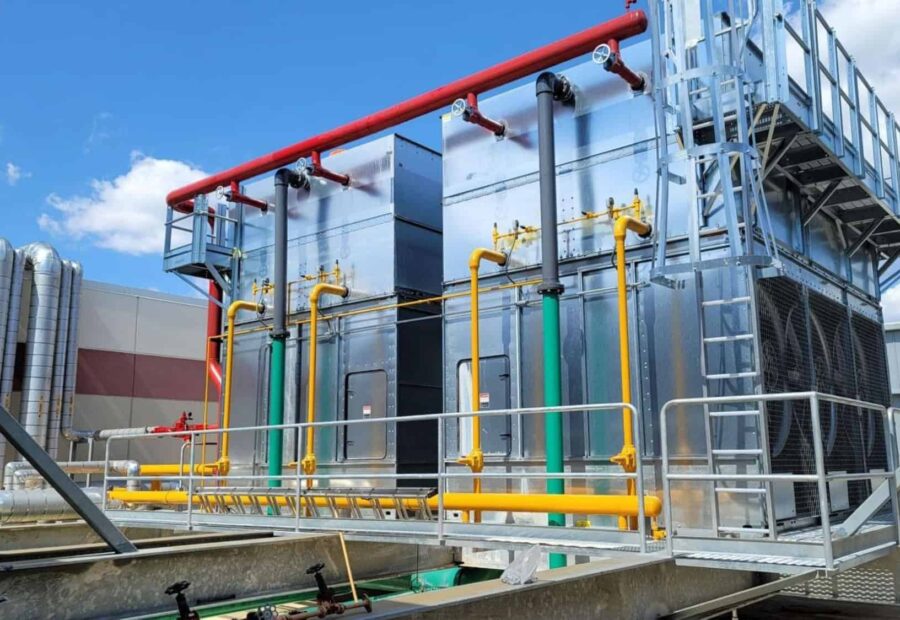
    There are certain things in a business that you only notice when they stop working. The lights are one. The internet is another. And for restaurants, food stores, warehouses and production facilities, refrigeration belongs very high on that list.

    A refrigerator or freezer can hum along quietly for months, doing its job without asking for much attention. Then one afternoon, someone opens the door and notices the temperature isn’t right. A few hours later, alarms may be sounding, inventory is being moved around, and everyone is trying to figure out who to call.

    It doesn’t have to be that dramatic.

    Good refrigeration management is mostly about paying attention before trouble becomes urgent. Equipment selection, installation, maintenance, cleaning and staff habits all play a part. None of them are particularly exciting, but together they can protect inventory, reduce operating costs and make daily business life considerably less stressful.

    Start With Equipment That Fits the Job

    The first mistake businesses sometimes make is choosing refrigeration equipment based only on price or capacity.

    A system needs to match the actual environment where it will operate. A small café has different requirements from a supermarket, while a restaurant kitchen has different demands from a temperature-controlled warehouse.

    Think about how frequently doors will open, how much product needs to be stored, how warm the surrounding environment gets and how much space is available around the equipment.

    A dependable system isn’t necessarily the biggest or most expensive option. It’s one that’s appropriately sized, correctly installed and capable of handling the workload day after day.

    That distinction matters because refrigeration equipment often operates for long hours, sometimes around the clock.

    Temperature Consistency Is More Important Than It Sounds

    People often look at the display on a refrigerator and assume that number tells the whole story.

    It doesn’t.

    Temperature can fluctuate when doors are repeatedly opened, when warm products are placed inside or when airflow is restricted. Equipment located near cooking appliances may also have to work considerably harder.

    Businesses handling food or temperature-sensitive products should have appropriate monitoring procedures in place. Regular checks can help staff spot changes before they become serious problems.

    Maintaining optimal temperatures isn’t just about protecting products. It can also help equipment operate more efficiently because the system isn’t constantly struggling to recover from unnecessary temperature swings.

    Keep Doors Closed When You Can

    This sounds obvious, but busy employees aren’t always thinking about refrigeration efficiency.

    A refrigerator door left open for several minutes allows warm, humid air to enter. The equipment then needs to remove that heat and moisture.

    One open door isn’t going to destroy a refrigeration system. Repeatedly doing it throughout a busy shift is another matter.

    Simple staff habits can help. Take everything needed from a unit at once when practical. Close doors promptly. Don’t use refrigerator doors as temporary storage areas.

    Small operational changes often cost nothing, which makes them especially appealing.

    Give Equipment Enough Breathing Room

    Refrigeration equipment needs proper airflow to release heat.

    When boxes, cleaning supplies or other equipment are pushed around a condenser area, airflow can become restricted. The system may then work harder than necessary.

    This is particularly common in crowded commercial kitchens and storerooms, where every square foot seems to have a purpose.

    Keep required clearances open and follow the manufacturer’s installation guidelines. If equipment has to be moved, make sure the new location still provides appropriate ventilation and access.

    It’s an easy thing to overlook until performance starts declining.

    Commercial Refrigeration Faces Heavy Workloads

    For many businesses, commercial refrigeration operates under conditions that would be tough on ordinary household equipment.

    Restaurant refrigerators may be opened dozens or hundreds of times during a busy day. Grocery display cases operate for long hours. Walk-in coolers can hold large quantities of product that must remain within controlled temperature ranges.

    That workload means maintenance shouldn’t be treated as optional.

    The more heavily equipment is used, the more important it becomes to watch for signs of wear and reduced performance.

    Listen to What the Equipment Is Telling You

    A refrigerator doesn’t speak, obviously, but it does communicate in other ways.

    A new rattling sound, unusual vibration, excessive frost, water around the unit or a compressor that seems to run constantly can all be warning signs.

    None of these symptoms automatically tells you exactly what’s wrong. That’s why professional diagnosis matters.

    The important thing is noticing that something has changed.

    If employees work around the equipment every day, encourage them to report unusual behavior. They may notice a change long before an owner or manager does.

    Cleanliness Helps Performance

    Refrigeration systems need to be kept clean both inside and around the equipment.

    Condenser coils can accumulate dust and grease, especially in restaurants. When they’re dirty, the system may have a harder time releasing heat.

    Interior areas need attention as well. Spills should be cleaned promptly, shelves should remain organized and products shouldn’t block internal airflow.

    Cleaning procedures should always follow the manufacturer’s recommendations and the business’s applicable food-safety practices.

    There’s no need to turn routine cleaning into a complicated project. Consistency is what matters.

    Maintenance Is Cheaper Than Panic

    Scheduled maintenance can feel like an expense when everything appears to be working perfectly.

    But the alternative is reactive maintenance, where you wait for something to fail and then pay to deal with it under pressure.

    During routine service, technicians can inspect important components, check operating conditions, identify wear and address developing issues. Maintenance may also reveal whether equipment is becoming inefficient or nearing the end of its useful life.

    The goal isn’t to prevent every possible breakdown. That’s unrealistic.

    The goal is to reduce avoidable failures and make problems more predictable.

    Know When Repair Is the Better Choice

    Not every refrigeration problem requires replacement.

    A damaged door gasket, faulty control or worn component may be repairable at a reasonable cost. Replacing an otherwise healthy refrigerator because of one issue doesn’t necessarily make financial sense.

    On the other hand, an older unit that needs repeated repairs may be telling you something.

    Look at the bigger picture: equipment age, repair history, energy use, parts availability and expected remaining lifespan.

    A trustworthy technician should be willing to discuss those factors rather than immediately recommending the most expensive option.

    Energy Costs Deserve Attention

    Refrigeration can be a substantial part of a business’s energy consumption.

    That’s why sudden changes in utility bills shouldn’t automatically be ignored.

    If operating hours and inventory levels haven’t changed but refrigeration equipment seems to be running longer, an inspection may be worthwhile. Dirty components, failing fans, poor seals and other issues can increase the system’s workload.

    Efficiency isn’t only about buying new equipment. Proper maintenance and sensible operation matter too.

    Prepare for the Unexpected

    Even well-maintained equipment can fail.

    Businesses should have a basic response plan in place. Employees need to know who to contact, how temperature checks are handled and what steps should be taken with sensitive inventory during an outage.

    Keep service provider information somewhere accessible. Don’t rely on one person’s phone.

    It may sound like overplanning until a freezer stops working during a holiday weekend. Then, suddenly, everyone wishes the plan had been written down.

    Choosing the Right Service Partner

    When selecting a refrigeration contractor, consider more than price.

    Experience with your type of equipment is valuable. So are clear estimates, good communication, appropriate qualifications and reasonable response times.

    Ask questions before hiring someone. What maintenance services do they provide? Do they handle emergency repairs? Are replacement parts readily available? Will they explain what they find during an inspection?

    A good contractor should make you feel informed rather than pressured.

    Keep the Bigger Picture in Mind

    Refrigeration isn’t just about cold air and temperature displays.

    It’s about protecting products, reducing waste, supporting employees and keeping customers confident in the business.

    The best approach is rarely complicated. Choose equipment suited to the workload. Keep it clean. Monitor temperatures. Train employees to use it sensibly. Respond to warning signs and schedule maintenance before problems become emergencies.

    No business can eliminate every equipment failure. But it can make those failures less likely, less expensive and less disruptive.

    And when the refrigeration system keeps quietly doing its job through another busy day, that’s something worth appreciating — even if nobody notices it.

  • Why Regular Water Testing and Equipment Care Matter for Your Home

    Why Regular Water Testing and Equipment Care Matter for Your Home

    Water often becomes noticeable only when something feels wrong. A glass may have an unusual taste, a shower may leave skin feeling dry, or orange stains may begin appearing around sinks and toilets. Sometimes the problem is obvious. Other times, water looks perfectly clear while its chemical quality has quietly changed.

    For homeowners, maintaining good water quality is not just about installing a filter and forgetting about it. Water conditions can shift, treatment equipment can lose efficiency, and household needs can change over the years. A reliable approach combines testing, maintenance, and timely decisions about repairs or replacement. These steps help protect the water used for drinking, cooking, bathing, and everyday household tasks.

    Water Quality Is Not Always Consistent

    Water quality depends on several factors, including the water source, local geology, plumbing materials, weather, and nearby land activity. Private well water may contain minerals such as iron, manganese, calcium, and magnesium. It may also be affected by bacteria, nitrates, sediment, or changes in groundwater conditions.

    Municipal water supplies are treated before distribution, but that does not mean every home receives identical water. Aging pipes, storage systems, disinfectants, and internal plumbing can influence taste, odor, and appearance. In some homes, chlorine may be noticeable. In others, hard water can leave scale on faucets and appliances.

    These differences explain why homeowners should avoid choosing treatment equipment based only on a neighbor’s recommendation. A system that works well in one property may not address the specific concerns found in another.

    Why Regular Testing Should Be Part of Water Care

    Water testing is useful even when there are no obvious warning signs. Regular testing helps homeowners understand what is present in their water and whether conditions have changed since the last analysis.

    A basic test may examine hardness, pH, iron, sulfur, chlorine, and other common factors. More detailed testing may be appropriate for private wells or properties with known concerns involving bacteria, nitrates, lead, arsenic, or other contaminants. The right test depends on the water source and the reason for testing.

    Testing is especially important after flooding, nearby construction, plumbing changes, unusual odors, or sudden changes in taste and color. Private well owners should follow local recommendations for routine testing and should consider additional testing when a household member becomes ill or when the well’s surroundings change.

    The value of testing is not simply the report itself. It provides useful information for selecting treatment equipment, adjusting an existing system, and deciding whether professional service is needed.

    Recognizing the Signs of a Water Problem

    Some water issues leave clear clues. White scale on showerheads and glassware may indicate hard water. Orange or reddish stains can be associated with iron. A rotten-egg smell may point to hydrogen sulfide, while cloudy water may be caused by air, sediment, or other conditions.

    Taste changes can also be informative. A strong chlorine flavor may suggest disinfectant levels or interactions with plumbing, while a metallic taste may be linked to certain minerals or corrosion. However, appearance and taste alone cannot confirm whether water is safe. Some contaminants have no noticeable smell, color, or flavor.

    Homeowners should pay attention to patterns. Does the odor appear only when using hot water? Does the problem occur at every tap or just one faucet? Does water quality change after heavy rain? These details can help a technician identify the likely source and recommend the appropriate next step.

    The Importance of Professional Water Treatment Service

    Water treatment equipment is often more complex than it appears. A softener, carbon filter, reverse osmosis unit, iron filter, or UV system contains components that must work together correctly. If a valve is malfunctioning, a filter is clogged, or a treatment medium is exhausted, the system may continue operating without delivering the expected results.

    This is where expert care can make a meaningful difference. A qualified water treatment professional can review test results, inspect equipment, check pressure and flow, examine connections, and determine whether the system is properly sized for the home.

    Professional service may include filter replacement, tank cleaning, resin inspection, UV lamp replacement, membrane changes, salt system checks, or adjustments to regeneration settings. It can also reveal problems outside the treatment unit, such as plumbing leaks, water heater issues, or corrosion.

    Trying to repair unfamiliar equipment without proper guidance can create additional problems. A professional can often identify whether a simple adjustment is enough or whether a larger repair is justified.

    Maintenance Helps Protect Your Investment

    Every water treatment system needs some form of maintenance. Filter cartridges eventually become saturated, softener resin may lose performance, and mechanical parts can wear down. Even systems advertised as low-maintenance still need periodic inspection.

    Homeowners should follow the manufacturer’s service recommendations and keep track of important dates. Replace filters at the appropriate intervals, check salt levels when required, and inspect the system for leaks or unusual sounds. If water pressure drops suddenly, the equipment may be dealing with a clogged filter or another restriction.

    It is also helpful to keep the area around the system clean and accessible. Blocked drain lines, moisture, and poor ventilation can create avoidable issues. A small maintenance task today may prevent a much larger repair later.

    When an Equipment Upgrade Makes Sense

    Repairing an existing system is often reasonable when the equipment is relatively new and the issue is limited. But there comes a point when continuing to repair an old unit may not be the most practical choice.

    A planned equipment upgrade may be worth considering if the system frequently breaks down, no longer meets household demand, consumes excessive salt or water, or fails to address current water concerns. Changes in family size, water usage, or water chemistry can also make older equipment less suitable.

    Newer systems may offer improved controls, better monitoring, more efficient operation, and easier maintenance. Still, homeowners should focus on solving the actual water problem rather than purchasing unnecessary features. A professional assessment can help determine whether a replacement, additional treatment stage, or smaller component upgrade is sufficient.

    Before choosing new equipment, ask about installation, warranties, operating costs, replacement parts, service availability, and expected maintenance. The initial price is only one part of the long-term cost.

    Building a Practical Water Care Routine

    A simple routine can help homeowners stay ahead of water problems. Schedule testing based on the water source and local guidance. Review equipment performance during filter changes or service visits. Watch for changes in taste, odor, pressure, and staining.

    If you use a reverse osmosis system, replace its filters and membrane according to the recommended schedule. If you have a UV unit, make sure the lamp and quartz sleeve receive proper attention. For softeners and specialty filters, follow the instructions for regeneration, backwashing, or media replacement.

    It also helps to keep records of test results and service work. Comparing older and newer results may reveal trends that are difficult to notice day to day.

    Making Water Quality a Long-Term Priority

    Reliable water quality comes from informed decisions and consistent care. Testing identifies potential concerns, maintenance keeps equipment working properly, and professional service helps homeowners respond when conditions change. In some cases, a repair is enough. In others, upgrading the equipment may provide better long-term value.

    The goal is not to install the most complicated system or spend money unnecessarily. It is to understand the water entering the home and use a treatment approach that fits the household’s needs.

    With regular attention, sensible maintenance, and timely professional guidance, homeowners can protect their plumbing, improve everyday comfort, and feel more confident about the water they use throughout the house.

  • Finding the Right Water Filter for Your Home Starts With Knowing What You Need

    Finding the Right Water Filter for Your Home Starts With Knowing What You Need

    Water is one of those household essentials that rarely gets a second thought. It comes out of the tap, fills the kettle, runs through the shower, and disappears down the drain. Most days, that’s the end of the story.

    Then something changes.

    Maybe the water starts tasting a little different. You notice chalky spots around the faucet. Your glasses don’t look quite as clean after washing, or the showerhead seems to clog faster than it used to. These small annoyances can make you wonder whether your home’s water needs some extra attention.

    The good news is that water filtration doesn’t have to be complicated. There are several options available, and the right choice depends less on what’s trending and more on what’s actually happening with your water.

    Start With the Water You Already Have

    Before buying any treatment equipment, take a moment to understand your water source.

    Homes connected to municipal supplies generally receive treated water, but the characteristics of that water can still vary. Plumbing materials, local infrastructure, and the age of a home’s pipes may influence taste, odor, or other characteristics by the time water reaches the faucet.

    Private wells are different. Homeowners are responsible for monitoring their own water quality, and conditions can change over time.

    If you’re noticing a new taste, odor, discoloration, sediment, or mineral buildup, testing the water is often the smartest first step. It gives you useful information rather than leaving you to guess.

    Is an Under-Sink Filter Enough?

    For many households, the main concern is the water they drink and cook with.

    In that situation, an under sink water filter can be a practical option. Installed beneath the kitchen sink, it treats water at a specific point of use instead of treating every gallon entering the house.

    This can make sense when your primary goal is improving drinking-water taste or reducing particular contaminants. You don’t necessarily need to treat shower water, toilet water, or outdoor water if those aren’t part of your concern.

    Another advantage is that point-of-use systems can be relatively unobtrusive. Once installed, the equipment sits out of sight while filtered water comes through a dedicated faucet or the existing tap, depending on the setup.

    Of course, the filter still needs regular replacement. That’s the part homeowners sometimes forget.

    Whole-Home Treatment Takes a Different Approach

    If your concerns extend beyond drinking water, a broader system may make more sense.

    whole home water treatment works at the point where water enters the property, allowing treated water to travel throughout the house. Depending on the equipment, this can address issues such as hardness, sediment, chlorine, or other water-quality concerns.

    The benefit is comprehensive coverage. Water used in showers, washing machines, dishwashers, and other fixtures can receive treatment rather than limiting filtration to one faucet.

    But whole-home systems aren’t automatically better. They can be more expensive to install and maintain, and the right system depends heavily on the home’s water chemistry.

    That’s why testing is so important. There’s no point installing a sophisticated treatment system to solve a problem your water doesn’t actually have.

    Hard Water Is a Common Frustration

    Hard water doesn’t always create an obvious emergency. Instead, it tends to make itself known through small annoyances.

    You may notice white deposits on faucets or shower doors. Soap may seem harder to rinse away. Laundry can feel different, and appliances that use hot water may gradually develop mineral scale.

    Hard water is primarily associated with dissolved calcium and magnesium. While it’s not generally considered a reason to panic, excessive hardness can create maintenance headaches.

    If your home has significant hardness, a water softener may be worth considering. But once again, testing should guide the decision.

    Not every home needs a softener, and filtration and softening aren’t interchangeable. They address different water characteristics.

    Well Water Deserves Extra Attention

    If your home depends on a private well, water quality shouldn’t be treated as a one-time concern.

    Changes in groundwater conditions, heavy rainfall, nearby land activity, or problems with the well itself can affect water quality. Regular testing helps establish whether the water remains within acceptable parameters for its intended uses.

    Proper well water treatment can involve different technologies depending on what testing finds. Sediment, iron, sulfur compounds, hardness, and other issues each require different approaches.

    This is one area where a generic filter may not be enough.

    A qualified water-treatment professional can help interpret test results and recommend equipment based on the actual problem. That’s generally a better strategy than buying a system because its packaging claims to handle “everything.”

    Don’t Forget About Filter Maintenance

    A water filter can only perform as well as its condition allows.

    Filters collect or reduce substances over time, which means their capacity eventually gets used up. Waiting too long to replace them can affect flow and treatment performance.

    Create a simple reminder for replacement dates. If you have several filtration stages, keep track of each one separately.

    Also watch for changes in water pressure or taste. If something suddenly seems different, investigate instead of assuming the filter is still fine because it hasn’t reached the manufacturer’s suggested replacement date.

    Usage varies between households, after all.

    A family of six may go through filtration capacity much faster than someone living alone.

    Think About Long-Term Costs

    The initial price of a filter is only part of the equation.

    Consider replacement cartridges, maintenance, electricity, water consumption, repairs, and the expected lifespan of the equipment.

    An inexpensive filter that requires frequent cartridge changes may eventually cost more than a system with a higher upfront price but lower ongoing expenses.

    Ask about warranties and replacement parts before buying, too. You don’t want to discover three years later that a critical component is difficult to source.

    It’s also worth asking what happens if the system needs service. Good support can make ownership much less stressful.

    Avoid Buying More Than You Need

    Water treatment can become unnecessarily complicated.

    A homeowner may start with a simple concern about taste and end up looking at multiple tanks, filters, membranes, and sensors. Sometimes that’s appropriate. Sometimes it’s overkill.

    The goal isn’t to have the most equipment in the utility room.

    The goal is to have the right equipment.

    Start with your water source and test results. Identify the problem. Decide which areas of the home actually need treatment. Then compare systems based on performance, maintenance, cost, and reliability.

    That process takes a little patience, but it can prevent an expensive mistake.

    Good Water Treatment Should Make Life Easier

    The best filtration system is rarely the one with the longest list of features. It’s the one that quietly solves a real problem without creating five new ones.

    For some homes, that may mean a compact point-of-use filter under the kitchen sink. Others may benefit from whole-home treatment, particularly when water-quality concerns affect multiple fixtures. Private well owners may need more specialized treatment based on regular testing.

    There’s no universal answer, and that’s perfectly fine.

    Understand your water first. Choose technology second. Keep the equipment maintained once it’s installed.

    That simple approach can turn water treatment from a confusing home-improvement project into something much more manageable. And when your water tastes good, your fixtures stay cleaner, and your equipment works as expected, you may barely think about the system at all.

    Honestly, that’s probably the best outcome.

  • Choosing a Removals Company in Brighton or Chelsea: A Practical Guide

    Choosing a Removals Company in Brighton or Chelsea: A Practical Guide

    Two houses can hold identical furniture and still produce wildly different moving quotes. The reason usually has nothing to do with what you own. It’s the stairs, the street, the parking, and whether a seven-and-a-half-tonne vehicle can realistically stop outside your door.

    Brighton and Chelsea are both places where those factors bite hard. Regency terraces on the south coast and stucco-fronted townhouses in south-west London share a problem: they were built long before anyone needed to unload a lorry outside them. If you’re moving in or out of either, a bit of planning now saves a very long day later.

    Why Brighton Moves Are Their Own Category

    Brighton and Hove is compact, hilly, and built up to the sea. Move a mile inland and you’re on a gradient; move toward the centre and you’re into narrow streets where a van blocks traffic the moment it stops.

    A few things shape almost every local move here:

    Conversion flats. A large share of Brighton housing is period terraces split into flats. That often means a shared communal stairwell, a tight turn on the first landing, and a top-floor flat with no lift. Wardrobes and sofa beds are the usual casualties.

    Parking zones. Much of central Brighton, Hove, Kemptown and the streets around the stations sit inside controlled parking zones. A removal vehicle generally needs a suspended bay or a permit arranged through Brighton & Hove City Council. Applications take time, so raise this the moment you have a date.

    Basement and lower-ground flats. Common near the seafront, and frequently reached by a narrow external staircase. Worth flagging early rather than on the morning.

    The Lanes and North Laine. Beautiful, and largely impossible for a large vehicle. Some firms shuttle with a smaller van, which costs extra time.

    Anyone comparing quotes for Professional Removals Brighton should ask two blunt questions: how close can the vehicle actually get, and what’s charged if it can’t get close at all. A long carry is the single most common reason a fixed price turns into a variable one.

    What Makes Chelsea Different

    Chelsea presents a different set of obstacles, and most of them are administrative rather than physical.

    Building Rules Come First

    Mansion blocks and managed buildings across the Royal Borough of Kensington and Chelsea often have their own moving rules. Expect some combination of:

    • Restricted move-in and move-out hours, frequently weekdays only
    • Advance booking of the goods lift
    • A requirement that your removals firm supplies proof of public liability insurance to the managing agent
    • Mandatory floor and lift protection

    None of this is negotiable on the day. Ask the freeholder or managing agent for the moving policy in writing as soon as your dates firm up, then forward it to your removals company.

    Streets, Permits, and Emissions

    Chelsea’s residential streets are almost entirely permit-controlled, and many are narrow with residents’ bays on both sides. A bay suspension through the council is usually necessary for anything larger than a transit van.

    Chelsea also falls inside London’s Ultra Low Emission Zone, so any vehicle used must be compliant or a daily charge applies. Depending on the route, a journey may also cross the Congestion Charge zone. Ask whether these charges are included in your quote or added afterwards — firms differ, and it’s a frequent source of disputes.

    Higher-Value Contents

    Period properties in this part of London often contain items that need proper handling: artwork, antique furniture, wine collections, pianos. A standard goods-in-transit policy usually caps cover per item, and that cap may sit well below what a single piece is worth. If you’re getting quotes for Removals Chelsea UK, declare valuable items during the survey and get the cover limit confirmed in writing before you book.

    How to Tell a Good Firm From a Cheap One

    Price alone tells you very little. These signals tell you more.

    They insist on a survey. In person or by video call, a proper pre-move survey is the clearest marker of competence. A company that quotes from a two-line email hasn’t priced your move; it has guessed at it.

    The quote is itemised. Labour, vehicle, packing materials, dismantling, storage, waiting time, long-carry surcharges. Lump sums hide assumptions.

    They belong to a recognised trade body. Membership of an organisation such as the British Association of Removers means the firm operates to an agreed standard and sits within a complaints process. Not a guarantee, but a useful filter.

    They can explain their insurance. Goods in transit cover, public liability cover, per-item limits, and what happens with boxes you packed yourself. Self-packed cartons are commonly excluded or covered at a reduced level.

    They ask about access at both ends. A firm interested only in your current address is missing half the job.

    Mistakes That Cost People Real Money

    1. Booking late. Fridays and month-ends go first. Four to six weeks ahead is sensible for a house move.
    2. Forgetting the loft, garage, and shed. These get missed at survey and then appear on the day, adding volume nobody priced.
    3. Leaving the permit until the last week. Councils need notice. Without a suspension, the crew may be parking streets away.
    4. Packing badly. Half-full boxes collapse, overfilled boxes split, and unsealed liquids ruin everything around them.
    5. Assuming keys arrive early. On completion days, keys can be released mid-afternoon. Ask how waiting time is charged before you sign.

    Ways to Reduce the Bill Sensibly

    Move midweek and mid-month where you can — demand drops and so do prices. Declutter before the survey rather than after, because you’re paying to move volume. Handle your own clothes, books, and bedding while leaving glassware, mirrors, and framed pieces to the crew. And gather at least three written quotes covering the same scope, so you’re comparing genuine like-for-like rather than one firm’s optimism against another’s caution.

    One more thing that costs nothing: label boxes by destination room, not by contents. It’s the difference between a crew unloading in twenty minutes and you rearranging the house for a fortnight.

    Frequently Asked Questions

    Do I need a parking permit for a removal van?

    In most of central Brighton and virtually all of Chelsea, yes. You’ll typically need a bay suspension or dispensation from the local council. Many established removals firms will apply on your behalf, but confirm this at booking rather than assuming it. Processing takes several working days.

    How long does a three-bedroom move usually take?

    Most of a working day for a local move, though access is the deciding factor. A ground-floor house with a driveway loads far faster than a third-floor flat with a shared stairwell and a hundred-metre carry from the van.

    What isn’t covered by standard removals insurance?

    Typically cash and jewellery, items you packed yourself, and anything valued above a stated per-item limit. Cover for self-packed cartons is often restricted, which is worth knowing before you decide to pack everything yourself.

    Can removers take apart and rebuild my furniture?

    Beds, wardrobes, and standard flat-pack, generally yes. Older flat-pack doesn’t always survive being rebuilt, and fitted units assembled in place may not come out intact. Mention anything unusual during the survey so it’s priced and planned for.

    What should I keep with me rather than in the van?

    Passports and documents, keys, medication, chargers, valuables, and an essentials box with a kettle, mugs, tea, toilet roll, and a change of clothes. Keep it in your own car.

    Is storage worth arranging in advance?

    If there’s any chance your completion dates won’t line up, yes. Short-term container storage is far easier to book early than to arrange in a panic when a chain slips by a few days.

  • Sensex Today: Daily Market Update

    Sensex Today: Daily Market Update

    Keeping track of daily market movements has become a routine part of financial planning for many investors across India. While the Sensex reflects the performance of some of the country’s largest listed companies, a closer look at sector-specific indicators such as Nifty Bank Today often provides additional clarity on what is driving broader market sentiment. Alongside equity indicators, many investors also check the Gold Rate Today, since bullion price movements can reveal shifts in risk appetite that aren’t always evident from equity indices alone.

    Understanding the Day’s Market Movement

    Daily market updates typically begin with a look at how major indices have opened and moved through the trading session. These movements are shaped by a mix of domestic and global factors, including corporate earnings announcements, macroeconomic data releases, foreign investment flows, and global market cues from other major economies.

    Within this broader picture, Nifty Bank Today often draws particular attention, given how heavily weighted banking and financial stocks are within major indices. Since banks play a central role in credit creation and economic activity, their performance is frequently viewed as an indicator of broader economic health. A strong showing in Nifty Bank Today can suggest optimism around lending growth and corporate borrowing, while weakness may point to concerns about asset quality, tightening liquidity, or anticipated policy shifts from the central bank.

    Interest rate expectations play a particularly significant role in shaping banking sector performance on any given day. When there is anticipation of rate cuts, banking stocks often respond positively, as lower rates can support credit growth and ease borrowing costs for both businesses and consumers. Conversely, expectations of tighter monetary policy can weigh on sentiment, at least in the short term, even if such measures are aimed at controlling inflation over a longer horizon.

    Global Cues and Domestic Triggers

    Daily market updates rarely rely on domestic factors alone. Global equity market trends, commodity price movements, and currency fluctuations all feed into how Indian markets perform on a given day. Developments in major global economies, particularly around monetary policy decisions and economic data releases, often set the tone for how domestic indices, including sector-specific ones like Nifty Bank Today, perform during the session.

    Foreign institutional investment flows also play a meaningful role. When foreign investors increase their allocation toward Indian equities, it often provides support to broader market indices. Conversely, periods of foreign fund outflows can create downward pressure, particularly in sectors that attract significant foreign investment, such as banking and financial services.

    Domestic factors, including corporate earnings season, government policy announcements, and inflation data, also shape daily market direction. Earnings reports from major banks, in particular, can have an outsized impact on Nifty Bank Today, given the weight these institutions carry within broader indices.

    Gold’s Role in the Daily Narrative

    While equity indices capture the performance of listed companies, the Gold Rate Today offers a different lens through which to view market sentiment. Gold has traditionally been viewed as a relatively stable store of value during periods of uncertainty, and its price movements often provide clues about broader risk sentiment that may not be immediately visible in equity markets.

    On days when equity markets, including banking stocks tracked through Nifty Bank Today, face selling pressure due to global uncertainty or domestic concerns, gold often sees increased interest from investors looking to diversify away from riskier assets. This can result in firmer gold prices even as equity indices decline.

    Conversely, when equity markets perform well on the back of positive earnings or encouraging economic data, gold demand from an investment perspective may ease slightly, as investor preference shifts toward growth-oriented assets. That said, this relationship isn’t fixed, as both equities and gold can move in the same direction during periods of broader economic optimism, particularly when driven by factors like currency movements or global liquidity conditions.

    The Gold Rate Today itself is shaped by a combination of international pricing, the rupee-dollar exchange rate, and domestic demand factors, including seasonal buying patterns around festivals and weddings, which can create short-term variations in local prices.

    Putting the Pieces Together

    For those following daily market updates, looking beyond headline index numbers to sector-specific indicators like Nifty Bank Today, alongside asset class indicators like the Gold Rate Today, can offer a more complete understanding of what is driving market sentiment on any given day. A broad-based rally across sectors suggests widespread confidence, while a narrower move concentrated in specific sectors may point to more targeted drivers, such as sector-specific policy announcements or earnings surprises.

    Conclusion

    Daily market updates involve more than just tracking a single headline number. Understanding how sector-specific indicators like Nifty Bank Today move, alongside broader asset class signals like the Gold Rate Today, provides a more nuanced view of market conditions. For investors, building the habit of looking at these indicators together, rather than in isolation, tends to offer a clearer and more informed perspective on daily market movements.

    Disclaimer: This article is for educational and informational purposes only and should not be considered investment advice. Investments are subject to market risks. Past performance does not guarantee future returns. Investors should assess their financial goals and risk appetite and consult a qualified financial advisor before making investment decisions.

  • My Home Relocation with NoBroker in Bangalore – An Experience Worth Sharing

    My Home Relocation with NoBroker in Bangalore – An Experience Worth Sharing

    Bangalore traffic is unpredictable enough on a normal day, so when I had to move my two-bedroom apartment from Marathahalli to Indiranagar, I knew the logistics of the move mattered as much as the packing itself. After comparing a few options, I decided to book NoBroker for the relocation, and I wanted to share my experience for anyone considering a NoBroker Packers and Movers Bangalore Review before making a decision.

    I have lived in Bangalore for close to seven years and have moved houses three times. Each time, finding a reliable moving service has been a challenge, especially when online reviews can vary so much. This time, I decided to go with a more established name instead of a small local operator, and NoBroker turned out to be the right choice for my move.

    Getting Started Was Refreshingly Simple

    Booking the move took less than ten minutes on the NoBroker app. I mentioned the number of rooms, roughly listed my furniture and appliances, and chose a moving date. The quote I received upfront matched the final bill almost exactly, with only a minor addition for extra packing material I requested for my wife’s collection of ceramic vases. Compared to my past experiences with random packers and movers bangalore karnataka vendors, where quotes would often double on moving day, this transparency alone made the entire process feel trustworthy.

    AI-Driven Planning Behind the Scenes

    One thing I noticed and want to share through my NoBroker Packers and Movers Bangalore review while booking was how the platform used AI-driven planning to recommend the ideal team size and vehicle for my move, based on the inventory I entered. It suggested a mid-sized truck and a team of four packers, which turned out to be exactly right. Nothing felt improvised, and there was no scrambling to arrange an extra vehicle midway through the day, which has happened to me before with smaller local movers.

    Security Through OTP-Based Process Controls

    What stood out most on moving day was the OTP-based process controls used during loading and unloading. I received an OTP before the packers could load my belongings onto the truck, and another one was required at the delivery end in Indiranagar. This system essentially eliminates the risk of mix-ups, which matters a lot in a city like Bangalore where multiple moving trucks can be operating in the same apartment complex on any given day.

    Watching the Move Unfold with the Tracking Dashboard

    Since I had to attend a work call during part of the move, the real-time tracking dashboard genuinely saved me. I could check the truck’s location without repeatedly calling the driver, and I knew roughly when to expect the team at my new flat. It gave both my wife and me the confidence to plan our day around the move instead of the other way around.

    Everything Felt Like a Managed Professional Service

    Before booking, I had come across mixed reviews about movers, particularly around communication gaps and coordination during the relocation. Thankfully, I did not face any such issue with NoBroker. From the moment the team arrived at Marathahalli, the entire move felt well managed and organised rather than rushed. 

    They wrapped our television and mirror with foam sheets, used sturdy corrugated boxes for the kitchen, and even helped disassemble our bed frame and wardrobe for easier transport. At the new apartment, they reassembled everything and placed the furniture exactly where we wanted it. Throughout the process, communication was clear, and I always knew what was happening next, which made the overall experience much less stressful.

    A Balanced View

    I would recommend booking a day earlier than needed during weekends, since Bangalore sees high demand for movers around that time.

    I also asked the crew a few questions about how they usually handle apartment complexes with strict move-in timings, since Indiranagar societies can be particular about elevator bookings and visitor slots. They were well prepared with the required documentation and coordinated with our new building’s security without any hassle, which is not something I expected from a moving team on a first visit. Little details like this convinced me that the company invests properly in training its staff rather than relying purely on temporary labour.

    Comparing This to My Past Moves

    Having gone through two previous relocations in the city with smaller local vendors, I can say the difference was noticeable almost immediately. Earlier movers would often show up with mismatched packing material, sometimes reusing old boxes that were barely holding together. 

    This time, everything from the tape to the bubble wrap felt fresh and purpose-bought for the move, which reduced my anxiety about fragile items considerably. My search through various packers and movers bangalore karnataka listings in the past never gave me this kind of assurance before actually experiencing the service firsthand.

    Looking back at the entire process, I can confidently say this was one of the smoothest relocations I have had in Bangalore. The combination of AI-driven planning, OTP-based process controls, and a real-time tracking dashboard made a genuinely stressful task feel manageable. 

    If you are planning a move in Bangalore, my experience with NoBroker was genuinely positive. The combination of organised planning, clear communication, careful handling, and timely coordination made the relocation far less stressful than I had expected. Based on my experience, I would consider using the service again for my next move.