Good water makes a difference in ways we don’t always notice until something changes. The morning coffee tastes a little off, soap refuses to lather properly, or white mineral marks keep appearing around the kitchen faucet. These small annoyances can turn into bigger concerns when you start wondering what might be in your water and whether your current setup is doing enough.
The good news is that improving water quality doesn’t necessarily mean buying the most expensive equipment on the market. Different homes have different needs, and the best solution depends on the water source, the substances present, and how the water is used every day.
A little research before making a purchase can save money, reduce maintenance headaches, and help you choose a system that genuinely solves the problem.
Understanding the Different Treatment Options
Water treatment includes several technologies, each designed to handle particular conditions. Some remove visible particles, others improve taste and odor, and more advanced systems can reduce certain dissolved contaminants. Understanding these differences makes it easier to compare products without getting lost in technical language.
For example, sediment filters trap particles such as sand, dirt, and rust. Activated carbon is often used to reduce chlorine and certain compounds that affect taste and smell. Reverse osmosis uses a semipermeable membrane to reduce many dissolved substances, although the results depend on the equipment and the specific contaminants involved.
Choosing suitable water treatment systems starts with identifying what needs to be addressed. A household with hard water may benefit from a softener, while a family concerned about drinking-water taste might prefer an appropriately certified carbon filter. If laboratory testing identifies a specific contaminant, the treatment must be capable of reducing that substance effectively.
It’s easy to assume one system can do everything, especially when advertisements make broad promises. In reality, no single technology removes every possible contaminant under all conditions. The best setup is the one matched to the actual water-quality concern.
Why Water Testing Should Come First
Before spending money on equipment, take time to understand your water. Municipal suppliers generally treat and monitor public drinking water, but household plumbing and local conditions can still influence what comes out of a tap. Private well owners have additional responsibility because well water quality can change with groundwater conditions, rainfall, nearby land use, and the condition of the well itself.
A water test can help distinguish between harmless aesthetic concerns and issues that require more attention. Hardness testing, for instance, can show whether calcium and magnesium levels are likely to cause scale buildup. Other tests may be needed for bacteria, nitrates, lead, or locally relevant contaminants.
You don’t necessarily need to test for everything. The appropriate panel depends on your water source, local risks, previous results, and any unusual changes you’ve noticed. A qualified laboratory or water professional can help identify the most useful tests.
Remember that clear water isn’t automatically safe to drink. Some contaminants have no obvious taste, smell, or color, so appearance alone cannot establish safety.
When Salt-Free Water Systems Are Worth Considering
Hard water is a common household frustration. Mineral deposits collect around faucets, glassware develops cloudy spots, and shower screens seem to need cleaning every other day. Over time, scale may also build up inside water heaters and other appliances.
For homeowners exploring alternatives to conventional softening, salt-free water systems may be worth investigating. Many use a conditioning process intended to change how hardness minerals form or attach to surfaces, rather than removing calcium and magnesium through traditional ion exchange.
This distinction matters. Salt-free conditioners may help reduce certain types of scale under suitable conditions, but they generally don’t produce the same reduction in measured water hardness as a conventional ion-exchange softener. They also aren’t designed to remove unrelated contaminants such as bacteria, lead, or nitrates.
Before choosing one, ask what the technology is proven to do with water similar to yours. Results can depend on mineral concentrations, temperature, flow rate, and the system’s design. If your main concern is heavy scale buildup, comparing a salt-free conditioner with a conventional softener may help clarify which approach better fits your expectations.
It’s also worth considering household preferences. Some people want to avoid handling salt or managing softener regeneration, while others prioritize the noticeable reduction in hardness that a conventional system can provide.
Reverse Osmosis for Drinking and Cooking Water
Sometimes the concern is less about the shower or laundry and more about what goes into a glass of water. An under-sink reverse osmosis unit can be an option when a household wants additional treatment at the kitchen tap.
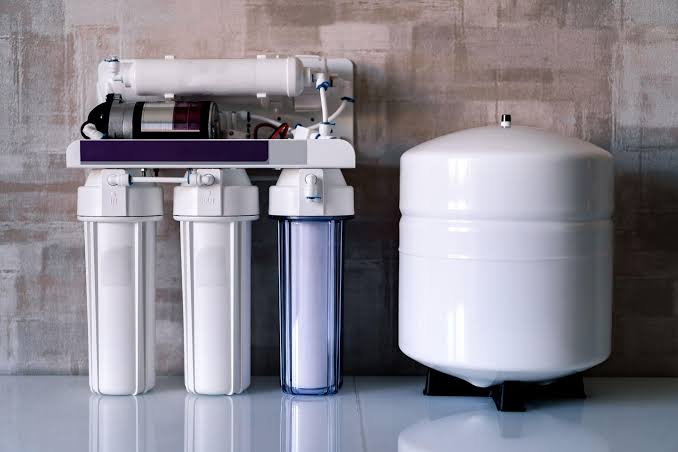
Well-designed reverse osmosis water systems use a membrane to reduce many dissolved substances, with performance varying by model and water conditions. Some units include sediment and carbon prefilters to protect the membrane and improve taste. Others add a final carbon stage or a remineralization component, depending on the design.
These systems can be useful, but there are practical details to consider. Reverse osmosis units typically produce a stream of reject water, although the amount varies with the system, pressure, temperature, and incoming water quality. Filters and membranes also need periodic replacement, and the equipment requires sufficient installation space.
Check the product’s performance documentation carefully. If you’re buying a system to address a specific contaminant, confirm that it has been tested or certified for reducing that substance. Don’t assume that every reverse osmosis product has identical capabilities simply because it uses the same basic technology.
A properly selected system can be valuable, but it’s still important to maintain it according to the manufacturer’s instructions and verify performance when necessary.
Carbon Filtration and Better-Tasting Water
Not every household needs a complicated purification setup. In some cases, the main complaint is the chlorine-like taste or smell associated with municipal water. An appropriately designed carbon filter may improve the drinking experience without requiring extensive changes to the plumbing.
Carbon water filtration works by allowing water to pass through activated carbon, which can adsorb certain compounds onto its surface. Depending on the product’s design and certification, it may reduce chlorine, some organic compounds, and other substances that affect taste and odor.
However, carbon filters vary considerably. A basic pitcher cartridge isn’t equivalent to a larger under-sink unit, and neither should be assumed to remove every potentially harmful substance. Some carbon filters also have limited effectiveness against dissolved minerals and many inorganic contaminants.
Pay attention to replacement schedules. Once the filter reaches its rated capacity, its performance may decline. Because many contaminants cannot be seen or tasted, waiting for a noticeable change isn’t a reliable maintenance strategy.
Consider Installation, Running Costs, and Everyday Use
The purchase price is only part of the decision. Installation, replacement cartridges, servicing, electricity, and potential water waste can affect the total cost over several years.
Think about where treatment is needed. A whole-house system treats water entering the property and may be appropriate when the concern affects multiple fixtures. A point-of-use unit treats water at a particular tap, which can be more practical when the priority is drinking and cooking.
Household size matters, too. A system that works well for two people may struggle to meet the demand of a large family if its flow capacity is limited. Check replacement-part availability before buying, especially if the equipment uses proprietary cartridges.
If the installation involves complex plumbing, electrical connections, or pressure equipment, professional assistance may prevent costly mistakes. A good installer should explain maintenance requirements and how to recognize signs that the system needs attention.
Make a Choice Based on Evidence, Not Hype
Water treatment can seem complicated, but the decision becomes easier when you follow a sensible order: understand the source, test when appropriate, identify the concern, and compare technologies designed to address it.
Avoid paying for features that don’t solve a real problem. Ask suppliers direct questions about performance, certification, maintenance, and limitations. If a product promises to remove every contaminant without explaining how, take a closer look before committing.
Ultimately, better water isn’t about having the most advanced equipment in the neighborhood. It’s about finding a reliable solution that fits your household, your budget, and the quality of your water.
With the right information and a little planning, you can make a confident choice and enjoy the everyday benefits of water that suits your needs.