
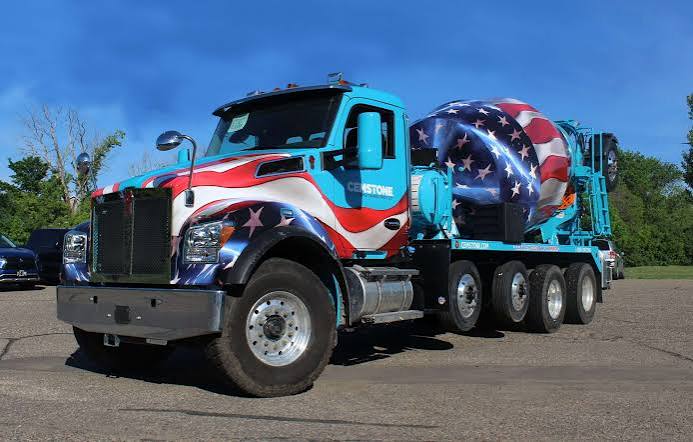
A large trailer is hard to miss on the road. Whether it’s moving along a busy highway, parked outside a warehouse, or sitting at a customer’s job site, it naturally attracts attention. For businesses that depend on visibility, that space can be surprisingly valuable. With a thoughtful design, a trailer can do more than transport equipment or products. It can help people recognize a brand, remember a company name, and understand what the business offers.
Of course, covering a large trailer with graphics isn’t simply a matter of enlarging a logo and printing it. The design needs to suit the trailer’s dimensions, the material must withstand regular use, and the installation has to be handled carefully. A good result comes from getting these details right before the first piece of vinyl is applied.
Start With a Clear Branding Goal
Before deciding how much of the trailer to cover, consider what you want people to notice. A logistics company may want its name and contact information to be immediately recognizable. A construction business might prefer bold graphics that reinforce its reputation for dependable work. A company attending trade shows could use the trailer to display products, services, and a message that encourages potential customers to learn more.
The purpose should guide the design. Too many businesses try to fit every service, slogan, phone number, and promotional message into one layout. The result can become difficult to read, especially when the trailer is moving. A simple hierarchy works better: make the company name prominent, keep the main message concise, and include only the supporting details that matter most.
Think about where the trailer will be seen, too. If it spends most of its time on highways, graphics need to communicate quickly. If it is frequently parked at events, there may be more opportunity for people to approach and read additional information. Understanding these everyday situations helps determine the right balance between visual impact and practical communication.
Full Wraps Create a Consistent Visual Identity
For businesses that want a complete transformation, a 53ft trailer full wrap with installation can turn the trailer’s exterior into one coordinated branding surface. This approach allows designers to use large images, company colors, logos, and carefully arranged text across the side panels and other suitable exterior areas.
The main advantage is continuity. Instead of having a few separate graphics scattered across a large surface, the entire design can feel connected. A food distributor might use product imagery alongside its logo, while a national service company could create a recognizable design that matches its vans, uniforms, and other marketing materials.
A full wrap also provides room for creativity. Designers can use color transitions, photographic elements, and large-scale graphics to create a strong impression without making the layout unnecessarily complicated. The trick is to leave enough breathing room for the important elements. Large surfaces don’t need to be filled from edge to edge to look complete.
Before committing to a full wrap, inspect the trailer’s condition. Dents, rust, peeling paint, and previous repairs may affect preparation and the final appearance. Addressing these concerns early helps avoid delays and gives the installer a clearer understanding of the work involved.
Partial Coverage Can Be a Practical Alternative
A complete wrap isn’t the right choice for every business. Sometimes, the trailer’s existing color already works well with the company’s branding, or the available budget calls for a more selective approach.
A 53ft trailer partial wrap with installation can focus on the areas that offer the greatest visual value, such as large side panels, the rear doors, or sections around the main logo. This can create a professional appearance without covering every exterior surface.
For example, a contractor might use a bold branded panel on each side, with the company name and website positioned where they are easy to see. The remaining trailer surface can serve as part of the design rather than looking like an unfinished section. Choosing colors that complement the original finish helps make the combination feel intentional.
Partial coverage may also offer flexibility when branding changes. If a company updates its phone number or adds a service, some sections may be easier to revise than a complete design. The actual cost of future changes depends on the film, installation method, and how the graphics are arranged, so it’s worth discussing this before production.
Spot Graphics Keep the Message Focused
Not every trailer needs a dramatic visual makeover. A business may already have a clean, well-maintained trailer and simply want to make its identity more visible. In that situation, carefully positioned graphics can be enough.
A 53ft trailer spot graphics with installation option may include the company logo, name, website, phone number, or a small set of service details. These elements can be repeated across suitable panels to help people identify the business without overwhelming the trailer’s appearance.
Spot graphics can work particularly well for established companies that prefer a restrained style. A transport operator, for instance, may only need its name and logo on the sides and rear doors. A local equipment supplier might add a short service description and website address.
Placement is important. Text should remain readable from a reasonable distance, and graphics should not be positioned awkwardly across seams, hinges, handles, or other interruptions in the trailer’s structure. A simple layout can look polished when its proportions and spacing are handled well.
Select Materials That Suit the Road
A 53-foot trailer covers a considerable distance over its working life. It may encounter intense sunlight, rain, dust, road debris, temperature changes, and frequent cleaning. These conditions make material selection an important part of the project.
Ask the installer which vinyl film is appropriate for the trailer’s surface and the intended application. Printed graphics may also require a compatible protective overlaminate to help guard against abrasion and environmental exposure. The right combination depends on the film, printing system, and manufacturer’s recommendations.
It’s sensible to compare more than the initial price. Ask about the expected lifespan, warranty terms, cleaning instructions, and any limitations that could affect performance. A cheaper material may not offer good long-term value if it fades early or requires frequent repairs.
Installation Determines the Final Finish
Large trailer graphics require careful preparation and attention to detail. The surface must be clean, dry, and suitable for adhesion. Dust, grease, loose paint, and other contaminants can cause problems that may not become obvious until after the material has been applied.
Experienced installers also know how to work around rivets, seams, corners, and panel transitions. These areas can be challenging, particularly when a design needs to align across multiple sections. A careful installation helps maintain clean edges and a consistent appearance.
Before approving a quote, confirm what’s included. Design work, printing, surface preparation, installation, and protective layers may be priced separately. Understanding the full scope makes it easier to compare providers and plan the project without unexpected costs.
Keep the Graphics Looking Professional
Once installation is complete, regular maintenance helps preserve the trailer’s appearance. Wash it with suitable cleaning products, remove contaminants promptly, and avoid directing excessive pressure at edges and seams. If the film begins lifting or develops visible damage, contact the installer rather than attempting an improvised repair.
It’s also useful to review the graphics periodically. Check that contact details remain accurate and that the branding still reflects the company’s current identity. For businesses operating multiple trailers, keeping designs consistent can make the fleet look more organized and recognizable.
Make Every Mile Count
A large trailer offers plenty of room to communicate, but effective branding depends on more than size. The right coverage, a clear message, suitable materials, and careful installation all contribute to the result.
Take time to compare full wraps, partial coverage, and spot graphics before making a decision. Consider how the trailer is used, where people will see it, and how much information needs to be communicated. When those factors work together, the trailer becomes more than a transport asset. It becomes a moving part of the business’s identity, creating opportunities for recognition wherever the road leads.
