Water has a way of becoming part of the background. You turn on the tap to make tea, wash vegetables, fill a bucket or take a shower without giving it much thought. Then one morning, the water tastes different, a strange noise comes from the treatment unit, or stubborn white deposits appear around the kitchen sink. Suddenly, something that seemed perfectly ordinary needs attention.
Water quality problems can have several causes, and not every issue requires a completely new system. Sometimes a filter needs replacing. In other cases, the equipment may be poorly suited to the incoming water, or a worn component may be affecting performance.
Understanding the difference matters. It can save money, prevent recurring frustration and help you choose a solution that genuinely improves your home’s water rather than simply treating the symptoms.
Recognising When Your Water System Needs Attention
A water treatment system usually gives a few clues when something isn’t working as expected. Water pressure might drop, the usual taste may change, or the equipment may begin leaking around a connection. Sometimes the signs are less obvious, such as mineral deposits gradually returning after a softener has been installed.
These symptoms don’t necessarily mean the entire unit has failed. A clogged cartridge, loose fitting, incorrect setting or exhausted filter can produce similar problems. That’s why it’s worth investigating the cause before replacing expensive equipment.
Professional system repairs can help restore performance when a component has worn out or the equipment isn’t operating correctly. A technician can inspect the unit, check its connections and identify whether a repair is appropriate or a replacement makes more sense.
There are a few things homeowners can safely check first. Look for visible leaks, review any warning indicators and consult the manufacturer’s maintenance instructions. If the system has a replaceable filter, confirm whether it has reached its recommended service interval.
However, avoid dismantling pressurised equipment or attempting electrical repairs without the proper expertise. If a leak is substantial, shut off the relevant water supply when safe and arrange professional assistance. And if the water suddenly develops an unusual colour, smell or taste, don’t assume the treatment unit is responsible. The incoming supply or household plumbing may need investigation as well.
Why Treating Water Throughout the Home Can Make Sense
Many households begin with a simple drinking-water filter. It’s a reasonable first step, particularly when the main concern is taste or the convenience of having filtered water in the kitchen. But some water problems affect more than the glass you drink from.
Hard water, for example, can leave mineral deposits on taps, shower screens and bathroom fittings. Depending on the water’s characteristics, it may also contribute to scale inside water heaters and other appliances. Sediment can affect plumbing fixtures, while certain water-quality concerns may require treatment at a particular point of use.
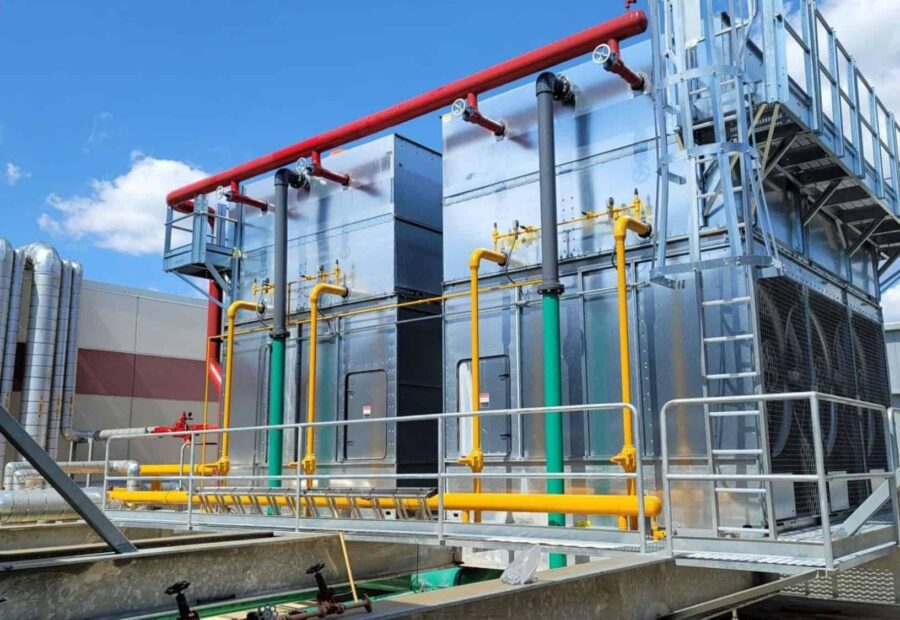
This is where whole home water filtration systems may be worth considering. Installed where water enters the property, these systems treat water supplied to multiple outlets rather than just one kitchen tap.
The right setup depends on the problem. A sediment filter can capture suspended particles, while activated carbon may reduce chlorine and improve taste and odour. A water softener addresses hardness minerals through a different process, so it shouldn’t be confused with a standard filter.
It’s also important to understand what whole-home treatment cannot do. A basic filtration unit won’t necessarily remove dissolved salts, heavy metals, microorganisms or every other possible contaminant. Equipment must be selected according to the water test results and the manufacturer’s verified treatment claims.
For homes using private wells, testing is especially important because groundwater conditions can vary by location and over time. Even where municipal water is supplied, testing may help investigate problems related to household plumbing or a specific treatment concern.
The aim isn’t to treat every possible substance just in case. It’s to identify the actual need and build a system around it.
Choosing the Right Drinking Water Treatment
Sometimes the concern is much more specific: the water used for drinking and cooking doesn’t taste good, or a test has identified a contaminant that needs targeted treatment.
In those situations, an under-sink drinking-water unit may be a practical choice. It keeps the equipment out of sight while providing treated water at a dedicated tap or compatible dispenser. Countertop models are another option for households that want something simpler to install.
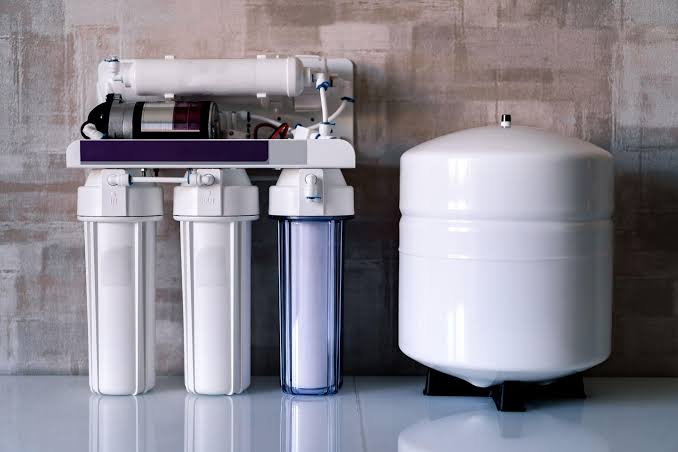
Among the available technologies, reverse osmosis systems use a semipermeable membrane to reduce many dissolved substances in water. Depending on the particular model and its certification, reverse osmosis may reduce certain salts, metals and other contaminants that ordinary carbon filters don’t adequately address.
That doesn’t mean reverse osmosis is always the best answer. These systems generally require more components than a basic filter, and some produce wastewater during operation. Membranes and prefilters also need maintenance, while storage tanks and dispensing taps must be kept clean according to the manufacturer’s instructions.
Another consideration is the mineral content of the treated water. Reverse osmosis can remove beneficial minerals along with unwanted dissolved substances. Some systems include remineralisation stages, although the value of this feature depends on individual needs and the water being treated.
Before purchasing, check which contaminants the model is specifically designed and tested to reduce. Certifications from recognised organisations can help establish whether performance claims have been independently evaluated. Broad phrases such as “removes everything” shouldn’t be taken literally.
Installation Can Affect Everyday Performance
Even suitable equipment can cause trouble when installed incorrectly. A poorly secured connection may leak, an undersized unit may struggle with demand, and an inconvenient installation location can turn routine filter changes into an awkward chore.
Before installation, consider the available space, plumbing arrangement, water pressure and access needed for future servicing. Some systems require drainage or an electrical connection, while others can operate without either. The manufacturer’s specifications should guide the installation rather than assumptions based on another model.
A qualified installer can also help establish the correct settings and explain how the system should be operated. That guidance is useful when equipment includes automatic flushing, regeneration cycles or multiple treatment stages.
Ask for a clear breakdown of the installation cost, any additional plumbing work and the expected price of replacement parts. These expenses may seem minor compared with the initial purchase, but they influence the long-term value of the system.
Maintenance Is Easier When You Have a Plan
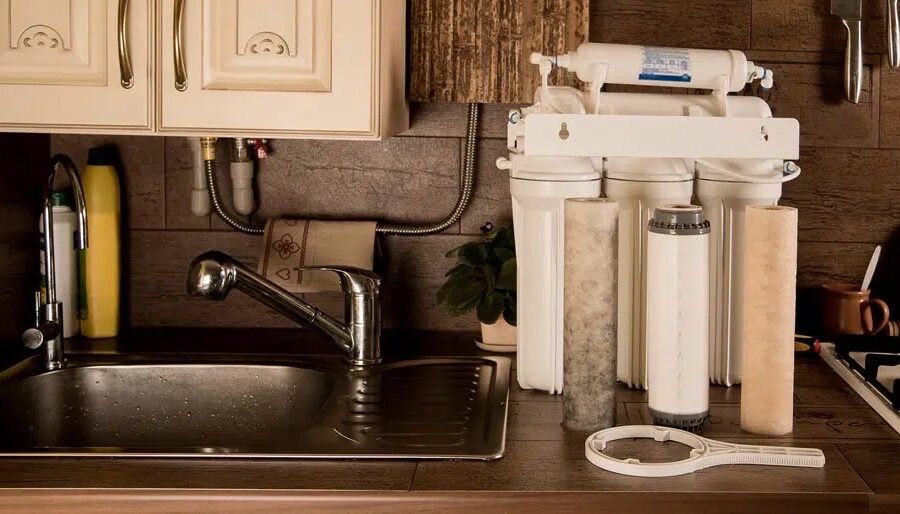
Filters don’t last forever. As they collect particles or reach their rated capacity, their performance can decline. Some units have indicators that signal when service is due, but not every model offers that feature.
A straightforward maintenance record can prevent missed replacements. Write down the installation date, filter type, service interval and the date each component was changed. Keep the product manual somewhere accessible, too. It’s surprisingly easy to forget which cartridge fits a unit purchased several years ago.
Regular checks should follow the manufacturer’s recommendations. Depending on the equipment, these may include inspecting fittings, cleaning dispensing outlets, replacing filters, checking softener settings and arranging periodic professional servicing.
If the water quality changes despite routine maintenance, investigate instead of simply replacing cartridges more frequently. The incoming water may have changed, the equipment may be undersized, or the selected treatment method may not address the problem.
Making a Better Decision for Your Home
Water treatment doesn’t need to be complicated, but it does reward a little careful thinking. Start by identifying the problem, confirm it where possible through suitable testing, and compare systems based on what they can actually achieve.
Sometimes a replacement filter or modest repair is all that’s needed. Other households may benefit from treatment throughout the property or a dedicated drinking-water system. The right choice depends on water quality, household demand, available space and ongoing costs.
Most importantly, don’t overlook maintenance after installation. Good equipment works best when it’s correctly fitted and properly cared for.
Clean, reliable water is one of those everyday comforts that’s easy to appreciate only when something goes wrong. With sensible equipment choices and a practical maintenance plan, you can spend less time worrying about your water and more time simply using it.