There comes a point when an old air conditioner becomes more of a financial burden than a dependable source of comfort. Perhaps it needs frequent repairs, struggles to cool certain rooms, or runs throughout the afternoon without reaching your preferred temperature.
For homeowners in Fort Mohave, these problems can become particularly frustrating during the hottest months of the year.
Replacing outdated cooling equipment offers an opportunity to improve indoor comfort, explore more energy-efficient technology, and reduce certain avoidable maintenance expenses. However, achieving these benefits requires more than choosing a newer model.
Equipment capacity, installation quality, existing ductwork, and ongoing servicing all influence long-term performance. Understanding these factors can help homeowners make informed decisions and enjoy greater value from their cooling investment.
Knowing When Your Old Air Conditioner Needs Replacing
Most homeowners would prefer to repair their existing equipment rather than face the expense of purchasing a new system. While repairs can be worthwhile, there are situations where replacement makes better financial sense.
Professional new air conditioning installation & replacement services can help homeowners evaluate aging equipment and explore suitable alternatives based on their property’s cooling requirements.
Consider an air conditioner that has required several repairs over the past two summers. Each appointment restores operation temporarily, but another mechanical problem eventually develops.
Continuing to invest in deteriorating equipment may become increasingly expensive.
Other factors worth considering include declining energy efficiency, inconsistent cooling, equipment age, and the availability of replacement components.
Modern air conditioners may offer improved temperature control, quieter operation, and reduced energy consumption compared with older equipment.
However, replacement shouldn’t be recommended solely because a system has reached a particular age. Its overall condition and repair history deserve careful consideration.
A qualified HVAC technician can help you compare anticipated repair expenses with the long-term costs and potential benefits of installing new equipment.
Creating a Smooth and Stress-Free Installation Experience
Purchasing a new air conditioner is only the beginning. Preparing your property, installing equipment correctly, and understanding its operating requirements are equally important.
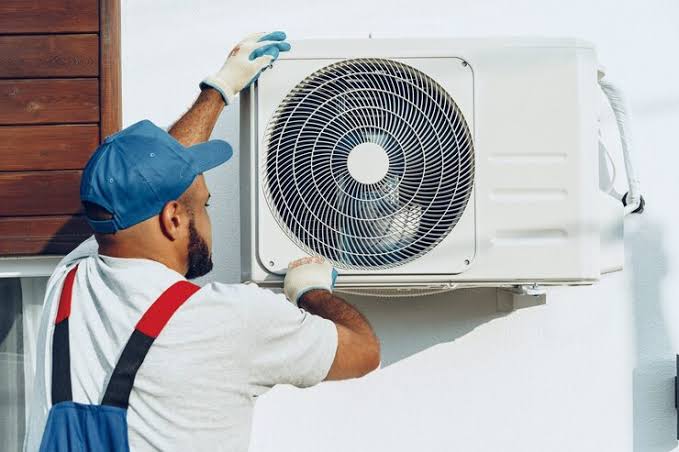
Dependable new air conditioner setup and service involves evaluating existing infrastructure, selecting appropriate equipment locations, configuring essential components, and performing operational checks.
Before installation begins, technicians should examine existing ductwork, electrical capacity, ventilation arrangements, and condensate drainage requirements.
Imagine replacing an outdated air conditioner with an advanced model while leaving damaged duct connections untouched. Despite the improved equipment, conditioned air could continue escaping before reaching the intended rooms.
Addressing these concerns during installation can help prevent disappointing results.
Homeowners should also discuss how existing equipment will be removed, whether additional property modifications are necessary, and how long the installation is expected to take.
Once the system is operating, the technician should explain thermostat settings, filter replacement requirements, maintenance recommendations, and warranty conditions.
Understanding these details from the beginning makes managing your new equipment considerably easier.
A successful installation should leave you feeling comfortable with both the indoor temperature and the operation of your new cooling system.
Why Installation Quality Influences Long-Term Performance
It’s tempting to assume that purchasing an air conditioner from a reputable manufacturer guarantees excellent performance. In reality, workmanship can be just as important as equipment quality.
A properly installed air conditioning system operates under suitable conditions, with appropriate airflow, electrical connections, refrigerant configuration, and equipment placement.
Incorrect installation can contribute to inconsistent temperatures, increased energy consumption, excessive noise, and unnecessary mechanical strain.
For instance, inadequate airflow across an evaporator coil may interfere with cooling performance and contribute to equipment problems.
Improper drainage arrangements could also allow condensation to collect around indoor components, potentially damaging surrounding materials.
Experienced HVAC professionals follow manufacturer specifications and perform appropriate testing before completing an installation.
Equipment sizing deserves particular attention. A system that’s too large may cycle excessively, while undersized equipment could struggle during periods of intense summer heat.
A professional cooling load assessment considers insulation, window placement, ceiling height, sunlight exposure, and other relevant property characteristics.
These details create the foundation for reliable cooling rather than leaving homeowners to deal with preventable problems after installation.
Choosing Modern Cooling Equipment That Fits Your Home
Today’s air conditioning technology offers considerably more flexibility than older residential systems.
Central air conditioning remains a practical option for properties with suitable ductwork. Ductless mini-split equipment can provide targeted cooling for individual rooms, converted garages, and home additions.
Heat pumps may also be worth considering because they provide both heating and cooling.
Some modern systems incorporate variable-speed technology, allowing equipment to adjust its operation according to changing cooling demands.
Before selecting a model, consider several important factors:
- Equipment capacity and energy efficiency ratings.
- Compatibility with existing ductwork.
- Expected operating and maintenance expenses.
- Indoor and outdoor noise levels.
- Warranty coverage and servicing requirements.
- Household temperature preferences.
The right system should reflect your property’s actual needs rather than simply offering the highest capacity or most expensive features.
Understanding the Financial Value of an AC Upgrade
Installing new cooling equipment represents a significant household expense. Nevertheless, evaluating the total cost of ownership can reveal potential advantages that aren’t immediately apparent.
An appropriately selected, energy-efficient air conditioner may consume less electricity than outdated equipment under comparable operating conditions.
Reduced repair requirements could also contribute to long-term savings.
However, actual financial benefits depend on equipment efficiency, installation quality, local energy rates, weather conditions, and household usage habits.
Request detailed installation estimates and compare anticipated operating expenses before making a decision.
Protecting Your New Air Conditioner Through Preventive Care
Once installation is complete, routine maintenance becomes an important part of protecting your investment.
Replace accessible filters according to manufacturer recommendations, keep indoor vents unobstructed, and maintain suitable clearance around outdoor equipment.
Professional seasonal inspections can help identify developing mechanical concerns before they interfere with cooling performance.
Consistent servicing may also help preserve equipment efficiency and support applicable warranty requirements.
Enjoying a Cooler, More Comfortable Home for Years to Come
Upgrading your air conditioner offers more than immediate relief from uncomfortable summer temperatures. It’s an opportunity to improve everyday living, manage energy expenses responsibly, and establish dependable long-term cooling.
For Fort Mohave homeowners, careful equipment selection and professional installation can make the demanding Arizona summers considerably easier to manage.
Take time to compare available options, choose experienced professionals, and establish consistent maintenance habits.
After all, the true value of a new air conditioner isn’t measured simply by its features or purchase price. It’s measured by the dependable comfort it brings to your home, season after season.