There’s nothing particularly relaxing about stepping into a warm shower and being greeted by the smell of rotten eggs. Add orange marks around the bathtub, discolored laundry, and a metallic taste in your tap water, and private well ownership can suddenly feel rather demanding.
These are familiar frustrations for many households that depend on groundwater. While private wells offer independence from municipal water supplies, they also come with unique maintenance responsibilities.
Iron and hydrogen sulfide are two common culprits behind unpleasant water characteristics. Fortunately, homeowners don’t necessarily have to live with the inconvenience they create.
Understanding where these problems originate, how they affect your household, and which treatment methods can address them is the first step toward enjoying better water.
Why Iron and Sulfur Appear in Well Water
Groundwater moves through underground soil and rock formations, collecting naturally occurring minerals along the way. Certain geological conditions and bacterial activity can also contribute to the presence of hydrogen sulfide.
Appropriate iron and sulfur treatment for well water begins with identifying the concentrations and forms of these substances before selecting equipment.
Iron can be present in dissolved form, meaning water initially appears clear before developing reddish-brown discoloration after exposure to air. It can also exist as suspended particles that are immediately noticeable.
Hydrogen sulfide, meanwhile, is commonly associated with an unmistakable rotten egg odor.
Interestingly, unpleasant odors don’t always originate directly from the well. If the smell occurs only when using hot water, the water heater could be contributing to the problem.
Pay attention to when and where these symptoms appear. That information can be surprisingly helpful when discussing your concerns with a water treatment professional.
Those Orange Marks Are More Than a Cleaning Problem
You’ve probably tried scrubbing bathroom fixtures with specialized cleaning products, only to discover that the same discoloration returns within days.
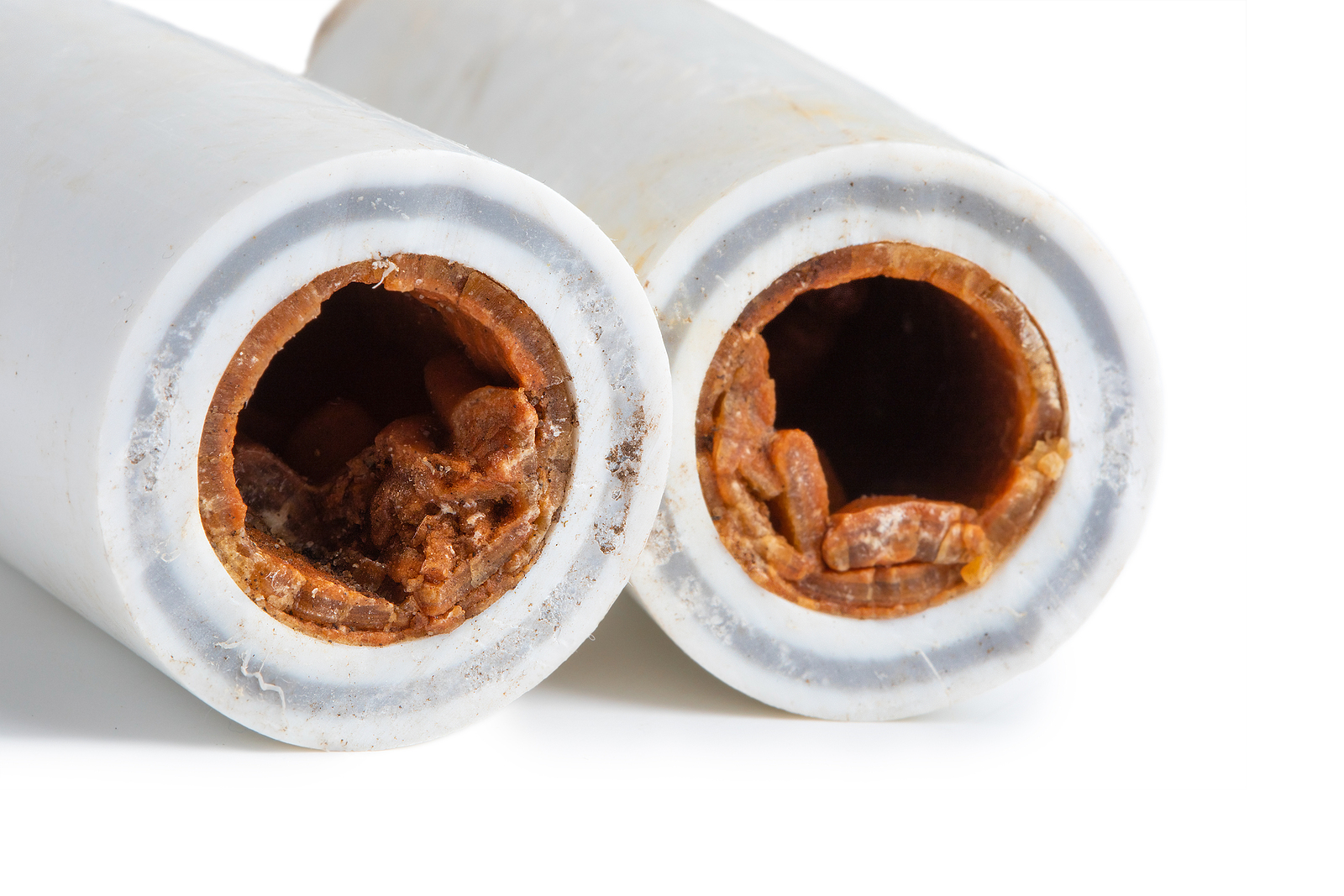
Persistent iron staining occurs when iron-containing water leaves deposits on household surfaces, fabrics, and plumbing fixtures. Depending on the concentration, these stains can become particularly difficult to remove.
Common signs of excessive iron may include:
- Orange or reddish-brown marks around sinks and bathtubs.
- Rust-colored discoloration on freshly washed clothing.
- A noticeable metallic taste in tap water.
- Reddish particles collecting inside faucet aerators.
- Accumulation of iron-related deposits within plumbing components.
The frustrating part is that cleaning addresses the visible consequences rather than the underlying water conditions.
Imagine washing a favorite white shirt only to discover orange marks after the laundry cycle. It’s a small inconvenience initially, but repeated incidents can become expensive.
Suitable treatment can help reduce future staining, although existing deposits may still require separate cleaning.
Before purchasing filtration equipment, investigate whether corroded pipes or other plumbing components are contributing to the discoloration.
Finding Treatment Equipment That Addresses the Real Problem
Not every private well experiences identical water conditions. Even neighboring properties can require different treatment arrangements because of variations in groundwater chemistry and well construction.
Effective well water quality treatment involves selecting equipment according to reliable testing results, household consumption, existing plumbing conditions, and specific treatment objectives.
Oxidation and filtration systems are commonly considered when addressing elevated iron or hydrogen sulfide concentrations. Depending on the design, oxidation converts certain dissolved substances into forms that can be more readily removed through filtration.
Specialized treatment media may also help address particular groundwater concerns.
Some conventional water softeners can reduce limited concentrations of dissolved iron under suitable operating conditions. However, they aren’t universally appropriate for substantial iron contamination or hydrogen sulfide odors.
Activated carbon may help reduce certain odors at lower concentrations, but its suitability depends on the incoming water conditions and equipment design.
It’s worth asking a treatment specialist why each recommended component is necessary.
A system should solve genuine problems rather than simply contain an impressive collection of filters and tanks.
Don’t Let Pleasant-Tasting Water Give You False Confidence
Water that looks clear and smells fresh isn’t automatically safe to consume. Certain potentially harmful contaminants can exist without causing noticeable changes in appearance or flavor.
Private well owners should arrange annual laboratory testing for coliform bacteria and nitrates, along with other contaminants recommended by local public health authorities.
Testing for iron, manganese, pH, and other relevant water characteristics can also help guide treatment decisions.
Additional testing may be necessary after flooding, well repairs, or sudden changes in water quality.
Keeping previous laboratory reports is a good habit. These records can reveal changes over time and provide useful information when adjusting existing treatment arrangements.
Keep Your Treatment System Working Reliably
Installing equipment is an important step, but ongoing maintenance deserves just as much attention.
Filtration media can gradually lose effectiveness, and oxidation systems may require periodic cleaning, backwashing, or replenishment of treatment materials.
Follow manufacturer recommendations and arrange performance checks when appropriate.
If familiar odors return or rust-colored deposits begin appearing again, investigate the change promptly. It could be a sign that servicing is overdue or that your incoming water conditions have changed.
Regular well inspections are equally important. Maintaining the well cap and surrounding area helps reduce potential contamination risks.
Enjoy Your Home Without Constant Water-Related Frustrations
Living with well water shouldn’t mean worrying about every load of laundry or bracing yourself for an unpleasant smell whenever you turn on the shower.
Start with reliable testing, seek knowledgeable professional guidance, and invest in treatment equipment that fits your property’s actual needs.
There’s something genuinely satisfying about taking freshly washed clothes out of the machine without discovering unexpected discoloration.
And when your water no longer presents the same recurring nuisances, the independence of owning a private well becomes much easier to appreciate.