A small water stain on the ceiling doesn’t always seem like a reason to cancel your weekend plans. Neither does a slightly uneven section of roofing that you’ve been meaning to investigate for months. Life gets busy, and household maintenance often takes a back seat.
The trouble is that roofing problems rarely disappear on their own. What begins as minor damage can gradually develop into moisture intrusion, deteriorating insulation, or costly structural repairs.
For Minnesota homeowners, unpredictable weather makes keeping an eye on roofing conditions especially important. Heavy snow, hailstorms, strong winds, and seasonal temperature changes can all leave their mark.
Knowing what to look for, and when to call a professional, can help you avoid unpleasant surprises.
Recognizing the Early Warning Signs of Roofing Problems
Your roof doesn’t need to be visibly falling apart to require professional attention. Sometimes, the earliest indications of damage are surprisingly subtle.
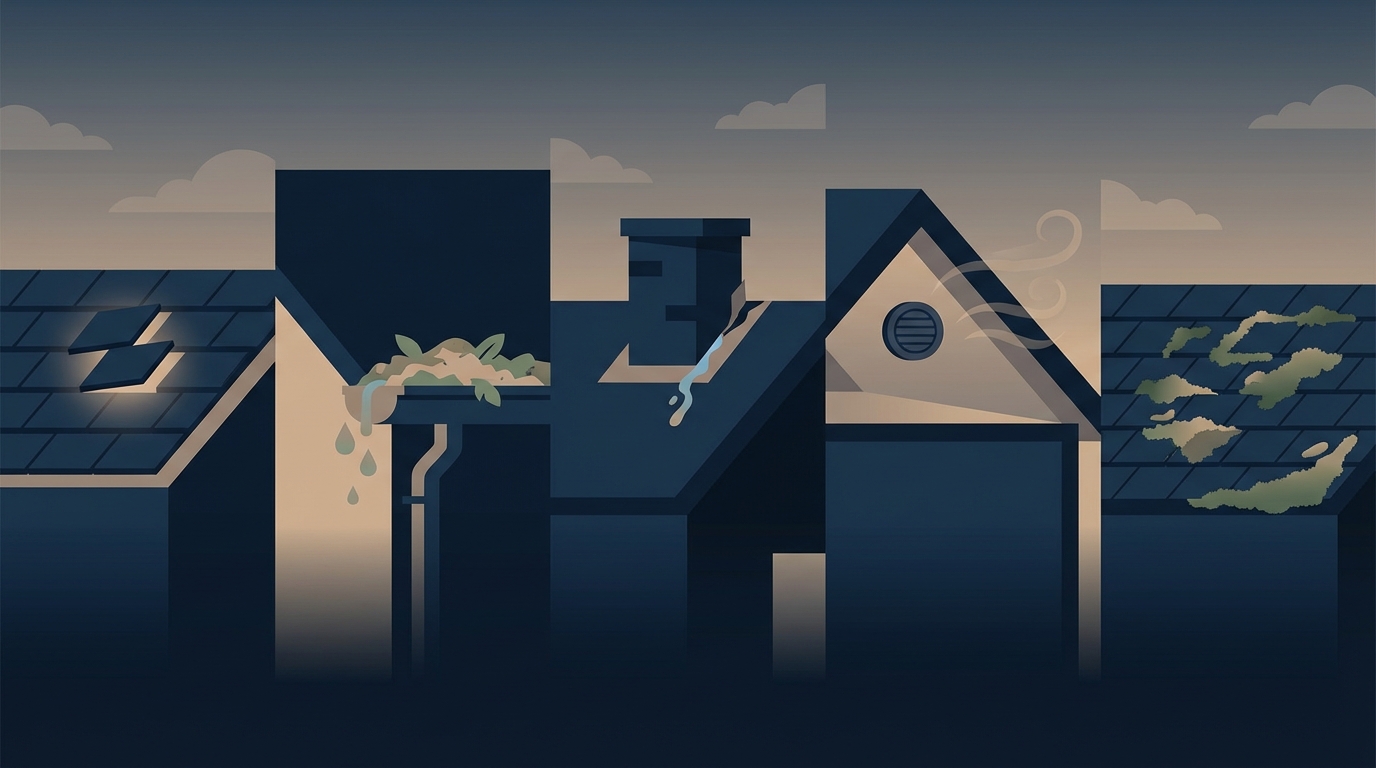
Among the most noticeable signs your roof may need repair are curling shingles, cracked roofing surfaces, deteriorating flashing, ceiling discoloration, and unusual amounts of granules collecting in gutters.
You might also notice damp patches in the attic or peeling paint near the upper edges of interior walls.
These symptoms don’t always point to the same underlying problem. A ceiling stain could result from damaged flashing, condensation, or another source of moisture.
That’s why a professional assessment is worthwhile before making assumptions about the extent of the damage.
Catching a problem early often means fewer complications and more manageable repair expenses.
Why Even a Few Missing Roof Shingles Matter
After a particularly windy night, you might discover pieces of roofing material scattered across your lawn. It’s tempting to think that losing one or two shingles isn’t particularly serious.
However, missing shingles can leave underlying roofing components more vulnerable to sunlight, rainfall, and moisture exposure.
Shingles are designed to overlap, creating a surface that helps direct water away from the structure. When sections become damaged or displaced, that protective arrangement may be compromised.
A roofing contractor can examine the affected area, replace damaged materials, and investigate whether nearby shingles have also become loosened.
Sometimes, the repair is relatively straightforward. Other situations require additional work because moisture has already reached the underlying decking.
Either way, waiting until water starts dripping through the ceiling isn’t a particularly good maintenance strategy.
Understanding the Impact of Minnesota’s Changing Weather
Minnesota’s seasons can be beautiful, but they aren’t especially forgiving when it comes to exterior building materials.
During winter, snow accumulation and freezing temperatures can create conditions that encourage ice dam formation. Spring and summer often bring thunderstorms, hail, and powerful winds.
These weather conditions affect roofing materials in different ways. Hail may damage protective shingle surfaces, while strong winds can lift poorly secured or deteriorating materials.
Arranging professional storm-damaged roof repairs following severe weather can help restore affected areas and identify additional concerns that aren’t immediately visible from ground level.
Even when your neighbors have experienced more obvious damage, don’t assume your property escaped completely unharmed.
A timely inspection can provide a clearer understanding of your roof’s actual condition.
What Interior Water Stains Might Be Telling You
Roofing problems occasionally become noticeable indoors before homeowners recognize anything unusual outside.
A brownish patch on the bedroom ceiling, damp insulation, or an unfamiliar musty smell in the attic could suggest a moisture-related issue.
Interestingly, the location of a ceiling stain doesn’t necessarily reveal exactly where water entered the roof. Moisture can travel along structural components before becoming visible inside your living space.
This makes identifying the source more complicated than simply repairing the area directly above the stain.
Instead of immediately repainting the affected surface, arrange an investigation to determine where the moisture originates.
Covering the evidence might improve appearances temporarily, but it won’t prevent the underlying problem from returning.
When Roof Repairs Make More Sense Than Replacement
Discovering roofing damage doesn’t automatically mean you need to replace the entire roof.
If your roofing system is relatively new and the damage is limited to a particular section, targeted repairs may provide an effective and economical solution.
Older roofs with widespread deterioration, recurring leaks, or extensive underlying damage require a different assessment.
Consider your roof’s age, previous repair history, current condition, and expected remaining service life.
A trustworthy contractor should explain why a particular approach makes sense instead of automatically recommending the most expensive option.
Sometimes, replacing a damaged section is all that’s necessary. Other times, investing in a new roof may prevent years of recurring maintenance expenses.
Finding a Roofing Professional You Can Rely On
Choosing a roofing contractor deserves more attention than simply comparing prices.
Look for professionals who provide detailed written estimates, explain inspection findings, and communicate openly about potential complications.
Verify appropriate licensing, insurance coverage, and workmanship warranties. Reviewing previous projects can also help you understand the quality of their work.
Avoid climbing onto damaged roofing surfaces yourself, especially following storms or during icy conditions.
Stay Ahead of Roofing Problems
Taking care of your roof doesn’t have to become an overwhelming responsibility. Periodic inspections, routine gutter maintenance, and prompt attention to unusual changes can help keep small issues from escalating.
Your roof works quietly throughout the year, protecting everything beneath it from some fairly demanding weather conditions.
Giving it a little attention now is considerably easier than dealing with damaged ceilings, unexpected repair bills, or sleepless nights during heavy rainfall.
Sometimes, responsible homeownership simply means noticing the little things before they become big ones.