Blog

  • Exploring the Role of Sterlite Power Transmission Shares in India’s Development

    Exploring the Role of Sterlite Power Transmission Shares in India’s Development

    Your search to explore the role of SPTL or Sterlite Power Transmission Shares in India’s development ends here. SPTL is the transmission grid business arm of Sterlite Technologies Ltd, which provides optical networking in over 150 countries. Starting in 2006, SPTL has become India and Brazil’s top private sector power transmission infrastructure solutions provider. 

    SPTL has empowered the Indian power sector with innovative global practices to solve complex problems and supply power to all its nooks and corners. It has 26% of the TBCB or tariff-based Competitive Bidding of Indian government power projects. It also has 13% of ANEEL or Brazilian Electricity Regulatory Authority power projects. 

    Though SPTL’s business division was demerged in 2016 and its transmission infrastructure business demerged in 2023, its unlisted shares traded around Rs. 500 in February 2024. SPTL enables electricity to light homes in India and power its industries to make numerous products to increase development. 

    So, explore how SPTL’s unlisted shares continue to provide global products, specialised EPC or engineering, procurement, construction services, and convergence-fibre business to develop India to buy its unlisted shares to reap high yields. 

    What is Sterlite Power Transmission Ltd?

    Electric power has become one of the bare essentials for human living, like water, air, and others. With the Indian government committed to providing electricity to all places, including far-off villages, there is a need for bespoke solutions to many of its complex challenges. It is here that SPTL or Sterlite Power Transmission Ltd, for the past nearly two decades, has been providing power transmission infrastructure, EHV or extra high voltage installations, and other electric utility solutions. It has become the pioneer in empowering Indians to have electricity by overcoming many tough challenges to fulfil the government’s vision to provide round-the-clock energy access to all Indians. 

    What role does Sterlite Power Transmission Ltd play in India’s development?

    India has the largest population in the world and needs huge electricity not only in its big cities and towns but also in tiny villages spread across its vast landscape. To fulfil the government’s Vision to provide a 24 x 7 power supply to all Indians, SPTL or Sterlite Power Transmission Limited plays a pivotal role. It overcomes many challenges, like commissioning transmission projects within a short time frame, environmental concerns, ROW or right-of-way spay issues, etc. Also, to bring global bespoke solutions to complex power problems, including the following. 

    • SPTL implements power projects ahead of schedule using BOOM or Build Own Operate Maintain and provides financial innovation by offering the first power sector InvIT or Infrastructure Investment trust
    • Air cranes were deployed for the first time in India to lay transmission lines even on mountainous terrains. 
    • They used LiDAR or light detection Ranging measuring technology for the first time in India for topographic mapping using aircraft for cost-effective and timesaving surveys to execute power projects.
    • Use heli stringing for speedy installation of transmission networks by solving socio-economic issues related to ROW or right-of-the-way in many power projects.
    • Provide barge-mounted telescopic cranes with 1,000 metric tons capacity to lay transmission lines across the Ganges and other rivers.

    Contact the consultant of the reputed online platform to learn more about the role of Sterlite Power Transmission Ltd in India’s development and to invest in its unlisted share to make huge profits.Planning to invest in pre ipo shares with Stockify? Embrace the opportunity to influence the vast landscape of investment wisdom. Whether you’re a seasoned investor, a savvy fund manager, a curious academic, or a perceptive analyst, Stockify invites you to share your expertise and offer your distinct viewpoint on market trends and investment tactics. Even if you’re just an enthusiastic individual who enjoys exploring the intricacies of finance, your perspective is cherished here. At Stockify, every insight holds significance, as your contribution has the potential to shape someone else’s financial path.


  • Mastering the World of Satta Matka: Tips, Strategies, and Winning Secrets

    Mastering the World of Satta Matka: Tips, Strategies, and Winning Secrets

    Satta Matka is a renowned gambling game that has captivated enthusiasts for decades. With its roots in India, this fascinating game offers thrill, excitement, and the potential for substantial rewards. In this article, we’ll dive into the history, gameplay, strategies, and winning tips for satta matka, guiding both beginners and seasoned players toward a successful experience.

    What is Satta Matka?

    Satta Matka originated in the 1960s as a form of betting on the opening and closing rates of cotton traded on the New York Cotton Exchange. Over time, it evolved into a full-fledged lottery-style game, where players place bets on random numbers. Today, Satta Matka has become a prominent name in the world of gambling, with numerous variations and an active online presence.

    How Does Satta Matka Work?

    The gameplay of Satta Matka is straightforward yet strategic. Here’s how it typically works:

    1. Number Selection: Players choose numbers from a predefined range. These numbers form the basis of the bet.
    2. Betting Options: The game offers various types of bets, including Single, Jodi, Panna, Sangam, and more, each with different payout structures.
    3. Number Drawing: The winning numbers are drawn randomly. If your numbers match the drawn numbers, you win!
    4. Payouts: Winnings are distributed based on the type of bet placed and the amount wagered.

    Popular Types of Bets in Satta Matka

    Understanding the different bet types can help you make informed decisions:

    • Single: Betting on a single digit (0 to 9). It’s a basic and commonly chosen bet.
    • Jodi (Pair): Players select a pair of numbers (00 to 99) to increase their chances of winning.
    • Panna: A three-digit number combination offering higher payouts.
    • Sangam: This is a high-risk, high-reward bet that involves guessing two sets of numbers correctly.

    Smart Strategies to Win at Satta Matka

    While Satta Matka is a game of luck, implementing strategies can improve your chances of success:

    1. Start Small: If you are new to the game, begin with smaller bets to understand the game’s mechanics. Gradually increase your stakes as you gain experience.
    2. Set a Budget: Always gamble responsibly by setting a budget and adhering to it. Avoid chasing losses, as this can lead to financial strain.
    3. Analyze Past Results: Many experienced players analyze historical data to identify patterns and trends. While not foolproof, this strategy can offer insights into potential winning numbers.
    4. Diversify Your Bets: Instead of placing all your bets on a single option, diversify by choosing different bet types. This approach helps spread the risk and increases winning opportunities.

    The Thrill of Online Satta Matka

    With the rise of digital technology, Satta Matka has moved to online platforms, offering players greater convenience and accessibility. Playing online provides several benefits:

    • Convenience: Play from anywhere and at any time using your smartphone or computer.
    • Variety: Online platforms offer a wide range of Matka games, each with unique rules and rewards.
    • Transparency: Reputable online sites ensure fair draws and transparent results, enhancing trust among players.

    Legal Aspects of Satta Matka

    The legality of Satta Matka varies by region. While some states in India allow specific forms of gambling and lotteries, others have stringent regulations against them. To avoid legal issues, always play on licensed and legitimate online platforms that comply with local laws.

    Tips for Responsible Gambling

    • Avoid Over-Betting: Set limits on how much you are willing to bet and never exceed this amount.
    • Stay Informed: Keep up with the latest trends and updates related to Satta Matka. Knowledge is power in gambling.
    • Take Breaks: Avoid continuous play to maintain a clear and focused mind.

    Conclusion

    Satta Matka is more than just a game of luck—it’s a blend of tradition, strategy, and thrill. Whether you’re a novice or a veteran, the game offers a unique experience filled with excitement and the potential for significant wins. By following smart strategies, playing responsibly, and choosing reputable online platforms, you can make the most of your Satta Matka journey.

    Ready to explore the world of Satta Matka? Play wisely, embrace the excitement, and may luck be on your side!

  • Benefits of Working with a Professional Basketball Court Contractor

    Benefits of Working with a Professional Basketball Court Contractor

    Introduction:

    Creating a basketball court that meets the highest standards of quality, performance, and aesthetics requires careful planning, expertise, and access to top-tier materials. Whether it’s a professional arena, community facility, or backyard court, the process of designing and constructing a basketball court is a significant undertaking that demands attention to detail and precision. In recent years, the importance of partnering with professional contractors and materials suppliers has become increasingly evident, as clients seek to maximize the value and longevity of their basketball court projects. In this article, we will explore the myriad benefits of working with a professional basketball court contractor, highlighting the expertise, guidance, and support they provide throughout every stage of the process. From superior materials and customization options to sustainable solutions and enduring performance, collaborating with a professional contractor ensures that your basketball court project is executed with excellence and precision, resulting in a space where players can thrive and memories can be made for years to come.

    Hiring a Professional Basketball Court Contractor – The Key to Success :

    Expertise and Experience:

    Professional basketball court contractors have extensive experience in designing and constructing courts of various sizes and configurations. They understand the nuances of court layout, dimensions, and materials, ensuring that every aspect of the project is optimized for performance and safety.

    Access to High-Quality Materials:

    Professional contractors have access to high-quality materials like Pacecourt’s materials, specifically designed for basketball court construction. These materials are durable, resilient, and engineered to withstand the demands of intense gameplay, providing a long-lasting surface for players to enjoy.

    Customization Options:

    Professional contractors offer a range of customization options to tailor the basketball court to your specific needs and preferences. From custom color schemes and court markings to branding elements and accessories, they can create a unique and personalized space that reflects your vision.

    Seamless Construction Process:

    Professional contractors manage every aspect of the construction process, from site preparation to final installation, with precision and efficiency. They have the expertise and resources to ensure that the project is completed on time and within budget, minimizing disruptions and maximizing results.

    Ongoing Maintenance and Support:

    Professional contractors provide ongoing maintenance and support to keep your basketball court in top condition. From routine inspections and repairs to surface refinishing and cleaning services, they ensure that your court remains safe, functional, and visually appealing for years to come.

    Pacecourt Advantage in Providing High-Quality Materials:

    Engineering Excellence:

    At Pacecourt, we prioritize engineering excellence in the development of our sports flooring materials. Our team of experts meticulously designs and tests each material to ensure optimal performance, durability, and safety. From advanced surface technologies to innovative construction techniques, our materials are engineered to meet the rigorous demands of basketball gameplay, providing players with a consistent and reliable surface to perform at their best.

    Superior Durability:

    Durability is paramount in basketball court construction, where constant foot traffic, ball impacts, and environmental factors can take a toll on the surface. Pacecourt materials are renowned for their exceptional durability, capable of withstanding the rigors of intense gameplay and prolonged use without compromising performance. Whether it’s a high-traffic arena or an outdoor court exposed to the elements, our materials are built to last, ensuring long-term value and enjoyment for our clients.

    Enhanced Performance:

    The performance of a basketball court surface can significantly impact the game, affecting ball bounce, player traction, and overall playability. Pacecourt materials are specifically engineered to enhance performance, providing players with optimal grip, consistent ball response, and minimal surface friction. By optimizing surface characteristics such as texture, resilience, and coefficient of friction, our materials elevate the playing experience, allowing players to perform at their peak.

    Customization Options:

    At Pacecourt, we understand that every basketball court project is unique, with specific design requirements and branding preferences. That’s why we offer a wide range of customization options to tailor our materials to our clients’ needs. Whether it’s custom color schemes, court markings, or branding elements, we work closely with our clients to bring their vision to life, creating a basketball court that reflects their identity and style.

    Environmental Responsibility:

    Pacecourt is committed to environmental responsibility in every aspect of our operations. Our materials are manufactured using eco-friendly processes and recycled materials wherever possible, minimizing our environmental footprint. By choosing Pacecourt materials for their basketball court projects, clients can rest assured that they are investing in sustainable solutions that prioritize the health of the planet.

    Conclusion:
    In conclusion, partnering with a professional basketball court contractor offers numerous benefits that contribute to the success of your project. From expertise and experience to access to high-quality materials, customization options, seamless construction processes, ongoing maintenance and support, and a commitment to sustainability, professional contractors bring a wealth of advantages to the table. By choosing to work with a professional contractor, clients can ensure that their basketball court projects are executed with precision, efficiency, and excellence, resulting in spaces that meet the highest standards of quality, performance, and aesthetics. With Pacecourt advantage in providing high-quality materials for basketball court construction the duo is unbeatable.

  • Unlocking the Secrets of a Happy and Fulfilling Lifestyle

    Unlocking the Secrets of a Happy and Fulfilling Lifestyle

    What’s the key to a happy and fulfilling lifestyle? It’s a question that has intrigued humans for centuries. While there may not be a one-size-fits-all answer, there are certain principles and practices that can lead to a more joyful and satisfying life. In this article, we’ll explore the secrets to unlocking a happy and fulfilling lifestyle.

    Define Your Values and Priorities

    The first step in creating a happy and fulfilling lifestyle is to define your values and priorities. What truly matters to you? What are your long-term goals and aspirations? By identifying your core values and setting clear priorities, you can align your life with what’s most meaningful to you.

    Self-Reflection: Spend time reflecting on your values and what brings you the most joy and fulfillment.

    Set Goals: Establish both short-term and long-term goals that align with your values and priorities.

    Prioritize Well-being: Make your physical and mental health a top priority. A healthy body and mind provide a strong foundation for happiness.

    Cultivate Positive Relationships

    Healthy and positive relationships are a cornerstone of a fulfilling lifestyle. The support, love, and companionship of friends and family can greatly enhance your sense of well-being.

    Nurture Relationships: Invest time and effort in maintaining and nurturing your relationships. Show appreciation, communicate openly, and make an effort to stay connected.

    Surround Yourself with Positivity: Limit exposure to toxic or negative influences. Surround yourself with people who uplift and inspire you.

    Build a Support System: Create a strong support system that you can turn to during challenging times.

    Embrace Gratitude

    Practicing gratitude is a powerful way to increase happiness and fulfillment. It shifts your focus from what you lack to what you have, promoting a more positive outlook on life.

    Gratitude Journal: Keep a gratitude journal where you regularly write down things you’re thankful for.

    Express Gratitude: Don’t keep your gratitude to yourself. Express your appreciation to others, and let them know how much they mean to you.

    Count Your Blessings: In difficult moments, remind yourself of the things you’re grateful for. This can provide comfort and perspective.

    Find Meaning and Purpose

    A sense of purpose is essential for a fulfilling lifestyle. It gives life meaning and direction. Find activities and pursuits that bring a sense of purpose to your life.

    Explore Passions: Identify your passions and interests. Pursuing these activities can bring a deep sense of fulfillment.

    Volunteer and Help Others: Helping others and contributing to a cause you believe in can provide a profound sense of purpose.

    Personal Growth: Continue to learn, grow, and challenge yourself. Personal development is a meaningful journey.

    Practice Self-Care

    Taking care of yourself is not a selfish act but a crucial component of a fulfilling lifestyle. When you’re at your best, you can contribute positively to the world around you.

    Physical Health: Prioritize your physical health through regular exercise, a balanced diet, and sufficient sleep.

    Mental Well-being: Practice stress management, mindfulness, and relaxation techniques to support your mental health.

    Set Boundaries: Learn to say “no” when necessary and set healthy boundaries to protect your well-being.

    Live in the Present Moment

    Happiness is often found in the present moment. Mindfulness, or the practice of being fully present and aware, can enhance your appreciation for life.

    Mindfulness Meditation: Incorporate mindfulness meditation into your daily routine to cultivate awareness and presence.

    Savor Experiences: Savor the experiences and moments in your life, whether it’s enjoying a meal, a walk in nature, or time with loved ones.

    Reduce Distractions: Limit distractions from technology and the fast pace of modern life. Being fully present is easier without constant interruptions.

    Foster Resilience

    Resilience is the ability to bounce back from challenges and setbacks. It’s a valuable trait that can help you maintain a fulfilling lifestyle even in difficult times.

    Adaptability: Be open to change and adaptability. Life is full of ups and downs, and resilience helps you navigate both.

    Learn from Setbacks: View setbacks as opportunities for growth and learning. They can lead to personal development.

    Seek Support: Lean on your support system during challenging times. You don’t have to face difficulties alone.

    Pursue Balance

    Balance is key to a fulfilling lifestyle. It’s the equilibrium between work and play, responsibilities and relaxation, and effort and rest.

    Work-Life Balance: Strive for a healthy work-life balance that allows time for leisure, relationships, and self-care.

    Balance in All Areas: Consider balance in all aspects of life, including physical, mental, emotional, and spiritual well-being.

    Adapt and Adjust: Balance is not a static state. It requires adaptability and adjustments as life circumstances change.

    Practice Acceptance

    Acceptance doesn’t mean resignation but embracing reality as it is. It’s about acknowledging the things you cannot change and finding peace in the present.

    Let Go of Control: Release the need to control every aspect of your life. Some things are beyond your control.

    Embrace Imperfection: Accept that you are not perfect, and neither is anyone else. Imperfections are part of what makes us human.

    Find Contentment: Seek contentment in the present moment, rather than constantly striving for something in the future.

    Continual Growth

    A fulfilling lifestyle is not a destination but a journey. It’s about continual growth, exploration, and embracing life’s ebb and flow. As you unlock the secrets to happiness and fulfillment, remember that the path to a more satisfying life is unique to you. It’s a journey of self-discovery, self-care, and embracing the present moment.

    In Conclusion

    A happy and fulfilling lifestyle is within your reach when you prioritize your values, nurture relationships, practice gratitude, find meaning, and take care of yourself. By living in the present, fostering resilience, pursuing balance, and practicing acceptance, you can unlock the secrets to a more joyful and satisfying life.

  • Balancing Work and Play: Tips for a Well-Rounded Lifestyle

    Balancing Work and Play: Tips for a Well-Rounded Lifestyle

    Achieving a balance between work and play is essential for a well-rounded and fulfilling life. In today’s fast-paced world, where work often takes center stage, it’s crucial to prioritize leisure and recreation to maintain good mental and physical health. In this article, we’ll explore the importance of balancing work and play and provide practical tips to help you achieve this equilibrium.

    The Importance of Work-Life Balance

    Work-life balance is a term that describes the equilibrium between your professional and personal life. This balance is vital for several reasons:

    Physical and Mental Well-being: Balancing work and play promotes better physical and mental health. It reduces stress and prevents burnout.

    Improved Productivity: Taking time for leisure and recreation can actually boost your productivity at work. Regular breaks and relaxation help you recharge and stay focused.

    Enhanced Relationships: Spending quality time with loved ones and participating in enjoyable activities strengthen your relationships.

    Personal Growth: Pursuing hobbies and interests outside of work contributes to personal growth and self-discovery.

    Preventing Burnout: Avoiding overwork and burnout is crucial for long-term career success.

    Tips for Balancing Work and Play

    Set Boundaries: Establish clear boundaries between work and personal time. When your workday is over, resist the temptation to check emails or engage in work-related tasks.

    Prioritize Self-Care: Self-care is essential. Make time for activities that nourish your body, mind, and spirit, such as exercise, meditation, or relaxation.

    Plan Leisure Activities: Schedule leisure activities just as you would work commitments. This ensures you allocate time for relaxation and enjoyment.

    Unplug: Take breaks from digital devices. Constant connectivity can blur the lines between work and personal life. Unplugging allows you to be fully present in your free time.

    Delegate and Share Responsibilities: Don’t be afraid to delegate or share responsibilities at work and home. It’s a sign of effective time management and teamwork.

    Learn to Say “No”: Be selective about taking on extra work or commitments. It’s okay to say “no” when you feel stretched.

    Practice Mindfulness: Mindfulness can help you stay present and engaged in the moment. Whether you’re working or playing, be fully there.

    Explore New Hobbies: Pursue hobbies and interests outside of work. Exploring new activities can be both enriching and fun.

    Quality over Quantity: It’s not about the quantity of leisure time; it’s about the quality. Make the most of the time you have by fully immersing yourself in enjoyable activities.

    Plan Getaways: Plan occasional getaways or vacations to disconnect from the routine and rejuvenate.

    Creating a Well-Rounded Lifestyle

    A well-rounded lifestyle incorporates a variety of activities that cater to different aspects of your well-being. Here’s how you can create a balanced and fulfilling life:

    Physical Health: Prioritize physical health by engaging in regular exercise, eating a balanced diet, and getting adequate rest.

    Mental Well-being: Foster mental well-being through relaxation, mindfulness, and stress management practices.

    Social Connections: Maintain strong social connections by spending time with family and friends.

    Intellectual Growth: Continue learning and challenging your mind. Pursue interests and hobbies that stimulate your intellect.

    Emotional Fulfillment: Embrace activities that bring emotional fulfillment, such as creative expression, volunteering, or helping others.

    Spiritual Connection: If spirituality is meaningful to you, make time for practices and rituals that connect you to your spiritual beliefs.

    Overcoming Common Challenges

    Balancing work and play can be challenging, but with dedication and effective strategies, you can achieve it. Here’s how to overcome common obstacles:

    Overcommitment: If you find yourself overcommitted, reassess your priorities and commitments. It may be necessary to cut back on some obligations.

    Guilt: Many people feel guilty about taking time for themselves. Remember that self-care is not selfish; it’s essential for your well-being and effectiveness.

    Time Management: Efficient time management is key. Use tools and techniques, such as to-do lists and calendars, to structure your day effectively.

    Unrealistic Expectations: Be realistic about what you can achieve in a day. Overloading your schedule can lead to stress and imbalance.

    Lack of Support: Communicate your needs with your family, friends, and colleagues. Seek their support in achieving a better work-life balance.

    The Power of Play

    Play is not just for children; it’s a fundamental human need that continues to be important throughout life. Engaging in playful activities has numerous benefits:

    Stress Reduction: Play is a natural stress reliever. It can help you let go of worries and find joy in the moment.

    Creativity and Innovation: Playful activities stimulate creativity and problem-solving skills.

    Social Connection: Many leisure activities involve social interaction, fostering strong connections with others.

    Physical Fitness: Play can involve physical activities that contribute to your health and well-being.

    Emotional Well-being: Playful experiences bring happiness and emotional well-being.

    In Conclusion

    Balancing work and play is not just a luxury but a necessity for a well-rounded and fulfilling life. Prioritizing leisure and recreation is a fundamental aspect of self-care and overall well-being. By setting boundaries, practicing self-care, and exploring various activities, you can achieve a healthier work-life balance that enhances your quality of life.

  • The Art of Mindful Living: Embrace a Zen Lifestyle

    The Art of Mindful Living: Embrace a Zen Lifestyle

    In our fast-paced and often chaotic world, the concept of mindful living offers a pathway to tranquility, clarity, and inner peace. Embracing a Zen lifestyle, rooted in mindfulness, can transform your daily experiences and help you navigate life’s challenges with grace and equanimity. In this article, we’ll explore the art of mindful living, its principles, and practical ways to incorporate it into your life.

    Understanding Mindful Living

    Mindful living is the practice of being fully present in the moment, without judgment or distraction. It’s about cultivating awareness, both of yourself and your surroundings, and doing so with intention and compassion. At its core, mindful living is rooted in Zen Buddhism, but its principles can be applied to various aspects of life, regardless of your religious or spiritual beliefs.

    The Principles of Mindful Living

    Presence: Mindful living encourages you to be fully present in whatever you’re doing. Instead of worrying about the past or the future, you focus on the now. This presence allows you to fully experience each moment.

    Non-Judgment: In mindful living, there is no room for self-criticism or judgment. You accept your thoughts, feelings, and experiences without labeling them as good or bad.

    Awareness: The practice involves heightened awareness of your thoughts, emotions, and physical sensations. This awareness can lead to a deeper understanding of yourself.

    Acceptance: Mindful living encourages acceptance of what is. It’s about embracing the reality of the present moment, even when it’s uncomfortable or challenging.

    Compassion: Cultivating compassion, both for yourself and others, is a key aspect of mindful living. It promotes empathy, kindness, and understanding.

    Simplicity: Simplicity and minimalism are often associated with mindful living. Reducing clutter and distractions in your life can create space for deeper awareness and contentment.

    Practical Ways to Embrace Mindful Living

    Meditation: Meditation is a fundamental practice in mindful living. Spend time each day in quiet contemplation, focusing on your breath, sensations, or a specific mantra.

    Mindful Eating: Pay full attention to your meals. Savor the flavors, textures, and aromas. Eating mindfully can lead to better digestion and a greater appreciation for food.

    Yoga: Yoga combines physical postures with breath control and meditation. It promotes flexibility, strength, and mindfulness.

    Slow Down: In a fast-paced world, intentionally slow down your daily routines. Whether it’s walking, cooking, or working, do it with awareness and purpose.

    Breathing Exercises: Practice deep breathing exercises to center yourself in moments of stress or anxiety. Focusing on your breath can bring you back to the present.

    Digital Detox: Reduce screen time and disconnect from digital devices regularly. This break allows you to be present in the physical world.

    Nature Connection: Spend time in nature. Whether it’s a walk in the park, a hike, or simply sitting in your garden, nature has a calming and grounding effect.

    Journaling: Keep a journal to record your thoughts, feelings, and experiences. Journaling can help you gain insights into your inner world.

    Gratitude Practice: Each day, reflect on the things you’re grateful for. Expressing gratitude can shift your focus to the positive aspects of life.

    Mindful Listening: Practice active and empathetic listening in your conversations. Instead of planning your response, be fully present with the person speaking.

    Mindful Breathing: Take moments throughout the day to focus on your breath. Even a few mindful breaths can anchor you in the present moment.

    Embrace Silence: Find moments of silence in your day, whether it’s in the early morning, during a break, or before bed. Silence can be a profound source of peace.

    The Benefits of Mindful Living

    Reduced Stress: Mindful living helps you manage stress by staying in the present moment and avoiding rumination about the past or worry about the future.

    Enhanced Mental Clarity: Clarity of thought and improved concentration are common results of mindful living. When you’re fully present, you can think more clearly and make better decisions.

    Improved Emotional Regulation: Mindfulness can help you recognize and regulate your emotions more effectively.

    Enhanced Relationships: Mindful listening and compassion foster stronger and more harmonious relationships with others.

    Greater Resilience: Mindful living can enhance your ability to bounce back from adversity and handle challenges with grace.

    Improved Well-Being: Many people report greater life satisfaction and well-being after incorporating mindful living practices into their lives.

    Challenges and Persistence

    Practicing mindful living is not without challenges. It requires dedication and persistence to integrate these principles into your daily life. Here are some common obstacles and how to overcome them:

    Restlessness: Restlessness is common when you begin mindfulness practices. Be patient and consistent; over time, it becomes easier to settle into the present moment.

    Distractions: Distractions are an inevitable part of life. Instead of getting frustrated, gently redirect your attention to the present moment when you notice distractions.

    Impatience: Some people may expect quick results from mindfulness practices. Remember that this is a lifelong journey, and patience is key.

    Self-Criticism: Don’t judge yourself for not being “mindful enough.” Self-compassion is an integral part of mindfulness.

    Time Commitment: Some may feel that mindfulness requires too much time. Start with small moments of mindfulness and gradually expand your practice.

    In Conclusion

    Embracing a Zen lifestyle through mindful living can lead to a profound transformation of your daily experiences. It’s about being fully present, cultivating awareness, and fostering compassion for yourself and others. By integrating the principles and practices of mindful living, you can find greater peace, clarity, and fulfillment in your life.

  • 10 Simple Steps to a Healthier Lifestyle

    10 Simple Steps to a Healthier Lifestyle

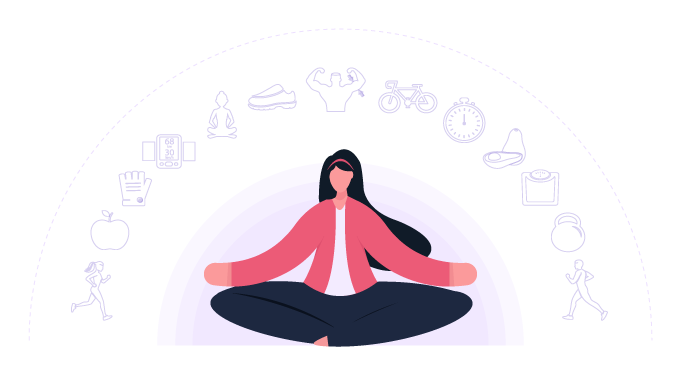
    A healthier lifestyle is not just about going to the gym or dieting; it’s a holistic approach to well-being that encompasses physical, mental, and emotional health. Making small, sustainable changes in your daily routine can lead to significant improvements in your overall health and quality of life. In this article, we’ll explore 10 simple steps to help you achieve a healthier lifestyle.

    1. Prioritize Nutrition

    Nutrition is the foundation of a healthy lifestyle. Make nutritious food choices by focusing on the following:

    Balanced Diet: Consume a variety of foods from all food groups, including fruits, vegetables, lean proteins, whole grains, and healthy fats.

    Portion Control: Pay attention to portion sizes to avoid overeating.

    Hydration: Drink plenty of water throughout the day to stay well-hydrated.

    Limit Processed Foods: Reduce the intake of processed foods, which are often high in unhealthy additives.

    Mindful Eating: Practice mindful eating by savoring your food and paying attention to hunger and fullness cues.

    1. Regular Exercise

    Incorporate physical activity into your daily routine. Aim for at least 150 minutes of moderate-intensity aerobic activity or 75 minutes of vigorous-intensity aerobic activity per week. You can break this down into shorter sessions.

    Choose Activities You Enjoy: Find exercises you love, whether it’s walking, dancing, swimming, or playing a sport.

    Strength Training: Include strength training exercises to build and maintain muscle mass.

    Stay Consistent: Create a regular exercise schedule and stick to it.

    1. Get Adequate Sleep

    Quality sleep is essential for your physical and mental health. Aim for 7-9 hours of sleep per night. To improve your sleep:

    Create a Bedtime Routine: Establish a regular sleep schedule and wind down before bedtime.

    Limit Screen Time: Reduce exposure to screens before bedtime, as the blue light from screens can disrupt sleep.

    Comfortable Sleep Environment: Ensure your bedroom is comfortable, quiet, and dark.

    1. Manage Stress

    Chronic stress can have adverse effects on your health. Manage stress through:

    Relaxation Techniques: Practice relaxation techniques such as deep breathing, meditation, and mindfulness.

    Time Management: Prioritize tasks, delegate when possible, and avoid overcommitting.

    Physical Activity: Regular exercise can help reduce stress and improve mood.

    Social Support: Lean on friends and family for support during challenging times.

    1. Stay Hydrated

    Proper hydration is vital for various bodily functions, including digestion, temperature regulation, and waste elimination. Make it a habit to drink water throughout the day, aiming for at least 8 glasses or more, depending on your activity level and climate.

    1. Limit Alcohol and Tobacco

    Excessive alcohol consumption and tobacco use can have serious health consequences. If you consume alcohol, do so in moderation. If you smoke, consider quitting or seeking support to quit.

    1. Maintain a Healthy Weight

    Achieving and maintaining a healthy weight is essential for overall health. Focus on gradual, sustainable weight loss or maintenance through a combination of balanced nutrition and regular exercise.

    Set Realistic Goals: Avoid extreme diets or exercise regimens and aim for sustainable changes.

    Monitor Your Progress: Keep track of your weight and measurements to stay accountable.

    Seek Support: Consider consulting with a healthcare professional or a registered dietitian for guidance.

    1. Build Strong Social Connections

    Healthy relationships are crucial for emotional well-being. Cultivate strong social connections by:

    Communication: Engage in open and honest communication with friends and loved ones.

    Quality Time: Spend quality time with those you care about, both in person and virtually.

    Support System: Build a support system that you can turn to during difficult times.

    1. Regular Health Checkups

    Regular health checkups and screenings are vital for early detection and prevention of health issues. Keep up with recommended screenings and visits to your healthcare provider.

    Preventive Care: Get recommended vaccinations and screenings, such as annual check-ups and cancer screenings.

    Know Your Family History: Be aware of your family’s health history, as genetics can play a role in health risks.

    1. Practice Gratitude

    Cultivating a positive mindset can improve your mental and emotional health. Practice gratitude by:

    Keeping a Gratitude Journal: Write down things you’re thankful for every day.

    Focusing on the Positive: Pay attention to positive aspects of your life, even in challenging situations.

    Expressing Gratitude: Share your gratitude with others through verbal or written expressions.

    The Power of Small Changes

    Achieving a healthier lifestyle doesn’t require drastic, unsustainable changes. Small, consistent adjustments to your daily routine can have a significant impact on your well-being. Here are a few more tips to help you make these changes successfully:

    Set Realistic Goals: Start with achievable, small goals and gradually work your way up.

    Track Your Progress: Keep a journal or use a mobile app to monitor your nutrition, exercise, and other health-related activities.

    Stay Accountable: Share your goals with a friend or family member who can support and encourage you.

    Celebrate Your Successes: Acknowledge and celebrate your achievements, no matter how small they may seem.

    Be Patient: A healthier lifestyle is a journey, and it’s important to be patient with yourself as you make changes.

    In Conclusion

    A healthier lifestyle is within reach for anyone willing to make small, sustainable changes. By prioritizing nutrition, exercise, sleep, stress management, and positive habits, you can significantly improve your overall well-being. Remember that it’s the consistency of these efforts that leads to lasting positive outcomes. Start today, and embrace the journey to a healthier and more fulfilling life.

  • Holistic Health: Nurturing Your Body, Mind, and Spirit

    Holistic Health: Nurturing Your Body, Mind, and Spirit

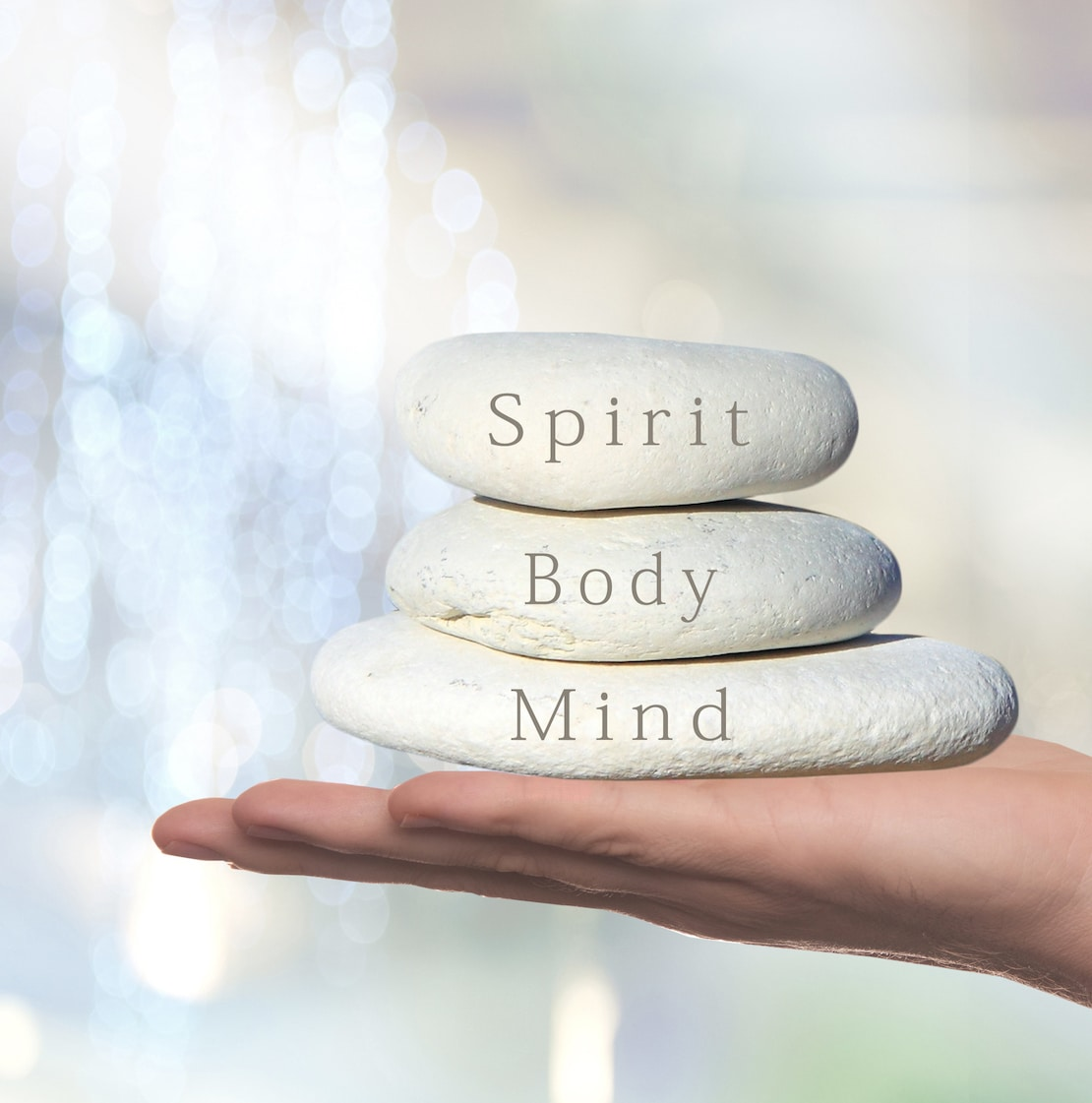
    Holistic health is an approach to well-being that considers the whole person—body, mind, and spirit. It recognizes the interconnectedness of these aspects and promotes balance and harmony. In this article, we’ll explore the significance of holistic health and provide insights into how to nurture your body, mind, and spirit for a healthier and more fulfilling life.

    Understanding Holistic Health

    Holistic health is an inclusive and integrative approach to well-being that goes beyond just the absence of illness. It considers the person as a whole, recognizing that physical health, mental well-being, and spiritual harmony are interconnected. Here’s why holistic health is important:

    Comprehensive Care: Holistic health takes into account all aspects of a person’s life, addressing not just physical ailments but also emotional and spiritual needs.

    Preventive Focus: It emphasizes preventive care to maintain overall health and prevent illness and imbalance.

    Self-Awareness: Holistic health encourages self-awareness and self-care, empowering individuals to take an active role in their well-being.

    Lifestyle Balance: It promotes balance in lifestyle, helping to reduce stress, improve relationships, and enhance overall quality of life.

    Interconnectedness: Holistic health acknowledges that the health of one aspect (body, mind, or spirit) can impact the health of the others.

    Nurturing Your Body

    A healthy body is the foundation of holistic health. To nurture your body:

    Nutrition: Consume a balanced diet rich in fruits, vegetables, whole grains, lean proteins, and healthy fats. Avoid processed foods, excessive sugar, and harmful additives.

    Physical Activity: Engage in regular physical activity that you enjoy, such as walking, swimming, or yoga. Exercise is vital for maintaining physical health and mental well-being.

    Hydration: Stay adequately hydrated by drinking water throughout the day. Proper hydration supports various bodily functions.

    Rest and Sleep: Prioritize rest and sleep. Aim for 7-9 hours of quality sleep each night to allow your body to recharge and heal.

    Stress Management: Practice stress management techniques such as meditation, deep breathing, and mindfulness to reduce the negative impact of stress on your body.

    Preventive Care: Schedule regular check-ups and screenings to detect and address health issues early.

    Holistic Therapies: Explore holistic therapies like acupuncture, chiropractic care, or herbal medicine to complement your health care.

    Nurturing Your Mind

    A healthy mind is essential for overall well-being. Here’s how to nurture your mind:

    Mental Health Awareness: Pay attention to your mental health. Seek professional help when needed, and be open about your feelings and emotions.

    Mindfulness and Meditation: Practice mindfulness and meditation to improve focus, reduce stress, and enhance your emotional well-being.

    Positive Thinking: Cultivate a positive outlook on life. Challenge negative thoughts and focus on gratitude and optimism.

    Continuous Learning: Keep your mind active and engaged by pursuing lifelong learning and intellectual challenges.

    Social Connections: Maintain strong social connections. Spend time with friends and loved ones, as social support is vital for mental health.

    Creativity and Expression: Explore creative outlets such as art, music, or writing to express yourself and nurture your mind.

    Digital Detox: Take breaks from digital devices to reduce screen time and improve mental clarity.

    Nurturing Your Spirit

    Nurturing your spirit involves finding meaning and purpose in life. Here’s how to do that:

    Mindful Living: Practice mindfulness and live in the present moment. This can help you connect with your inner self and find peace.

    Nature Connection: Spend time in nature and connect with the natural world. It can be a source of spiritual nourishment.

    Meditation and Contemplation: Engage in meditation, prayer, or contemplation to reflect on your life’s purpose and inner values.

    Community and Service: Engage in acts of service and community involvement. Helping others can foster a sense of purpose and connection.

    Cultural Exploration: Explore different cultures, religions, or philosophies to broaden your spiritual perspective.

    Gratitude Practice: Cultivate a sense of gratitude by acknowledging and appreciating the positive aspects of your life.

    The Interconnection of Body, Mind, and Spirit

    The three aspects of holistic health—body, mind, and spirit—are deeply interconnected:

    Physical Health and Mental Well-Being: Physical health, including nutrition, exercise, and sleep, directly affects mental well-being. A healthy body supports a healthy mind.

    Stress and Imbalance: Chronic stress or physical health issues can disrupt the balance of body, mind, and spirit. It’s important to address these issues holistically.

    Emotional Health and Spirituality: Emotional health and spirituality are closely linked. A sense of purpose and inner peace can improve emotional well-being.

    Mind-Body Practices: Practices like yoga and tai chi emphasize the mind-body connection, promoting both physical and mental health.

    Holistic Health Practices and Therapies

    Holistic health practices and therapies can complement conventional medicine and help you achieve balance in your life. Some popular holistic approaches include:

    Acupuncture: An ancient Chinese practice that involves inserting thin needles into specific points on the body to promote healing and balance.

    Chiropractic Care: Focused on the alignment of the spine and nervous system to improve overall health.

    Herbal Medicine: Using plant-based remedies to treat various health issues.

    Yoga: Combining physical postures, breathing exercises, and meditation to promote physical and mental well-being.

    Ayurveda: An ancient Indian system of medicine that emphasizes balance and individualized health practices.

    Reiki: A Japanese practice that involves the laying on of hands to channel energy for healing and relaxation.

    In Conclusion

    Holistic health is an approach to well-being that considers the interconnectedness of the body, mind, and spirit. It encourages a balanced and harmonious life by addressing all aspects of health. By nurturing your body, mind, and spirit, you can achieve a healthier, more fulfilling, and well-rounded life. Remember that the journey toward holistic health is ongoing, and it’s about finding the balance that works best for you.

  • Home Organization and Decluttering: Simplifying Your Space

    Home Organization and Decluttering: Simplifying Your Space

    A cluttered and disorganized home can lead to stress and chaos in your life. On the other hand, a well-organized and clutter-free space can promote peace, productivity, and a sense of well-being. In this article, we’ll delve into the importance of home organization and decluttering and provide practical tips to simplify your living space.

    The Importance of Home Organization

    Home organization is not just about aesthetics; it has a profound impact on your daily life. Here’s why home organization is important:

    Reduced Stress: A cluttered environment can lead to stress and anxiety. Organizing your space can provide a sense of calm and control.

    Increased Productivity: An organized home makes it easier to find what you need, saving time and boosting productivity.

    Improved Well-Being: A tidy and clutter-free home creates a more peaceful and pleasant living environment, contributing to your overall well-being.

    Safety and Health: Clutter can create hazards, such as tripping over items or harboring dust and allergens. Organization improves safety and cleanliness.

    Financial Benefits: Knowing what you have and where it is can prevent unnecessary purchases, saving money in the long run.

    The Decluttering Process

    Decluttering is the process of getting rid of items you no longer need or use. It’s an essential first step in home organization. Here’s how to approach the decluttering process:

    Set a Goal: Begin with a specific goal in mind. Determine which area of your home you want to declutter, whether it’s a room, closet, or a specific category of items.

    Sort and Categorize: Start by sorting items into categories such as keep, donate, recycle, and trash. Be honest about what you truly need and use.

    Take It Step by Step: Decluttering can be overwhelming if you try to tackle your entire home at once. Start with small areas or one room at a time.

    One In, One Out Rule: For every new item you bring into your home, consider donating, selling, or discarding an equivalent item.

    Create a System: Establish an organization system for the items you want to keep. Invest in storage solutions like shelves, bins, and drawers to keep things organized.

    Donate or Sell: Items that are in good condition but no longer needed can be donated or sold, reducing waste and benefiting others.

    Tips for Effective Home Organization

    Once you’ve decluttered, it’s time to organize your home effectively. Here are some tips for maintaining an organized living space:

    Assign a Home for Everything: Designate a specific place for each item, and be consistent about returning items to their designated spots.

    Use Labels: Label storage containers, drawers, and shelves to make it easy to find and return items to their proper places.

    Implement the “One-Touch” Rule: Touch each item only once when using or putting it away. This reduces the chance of leaving things out and creating clutter.

    Regular Maintenance: Dedicate some time each day or week to tidy up and ensure items are in their designated spots.

    Multi-Purpose Furniture: Invest in furniture with storage, such as ottomans with hidden compartments or coffee tables with shelves.

    Vertical Storage: Utilize vertical space with wall-mounted shelves, hooks, and organizers to maximize storage in small spaces.

    Digital Declutter: Extend your decluttering to the digital realm by organizing files, deleting unnecessary emails, and cleaning up your digital devices.

    The KonMari Method

    The KonMari method, developed by Marie Kondo, is a popular approach to home organization. It focuses on keeping items that “spark joy” and letting go of those that don’t. Here are the basic principles:

    Tidy by Category, Not Location: Instead of decluttering room by room, declutter by category (e.g., clothing, books, sentimental items).

    Hold Each Item and Ask, “Does it Spark Joy?”: When decluttering, hold each item and ask if it brings you joy. If it doesn’t, thank it and let it go.

    Fold and Store Clothing Vertically: Fold clothing in a way that it can be stored vertically, making it easier to see and access items.

    Designate a Place for Everything: Each item should have a designated place, and it should be stored in that place when not in use.

    Visualize Your Ideal Lifestyle: When organizing, visualize the lifestyle you want and how your space can support it.

    Embracing Minimalism

    Minimalism is a lifestyle choice that goes hand in hand with home organization and decluttering. It emphasizes owning only what is necessary and brings joy. Minimalism encourages you to:

    Simplify: Simplify your possessions, decor, and commitments.

    Prioritize Quality over Quantity: Invest in high-quality items that last longer and bring you more joy.

    Reduce Waste: By owning fewer items, you reduce waste and contribute to a more sustainable lifestyle.

    Focus on Experiences: Shift your focus from acquiring things to experiencing life and creating memories.

    Clear Mind: A clutter-free environment can lead to a clearer and calmer mind.

    The Lifelong Journey of Home Organization

    Home organization is not a one-time task; it’s a lifelong journey. As your life evolves and your needs change, your organization systems may need adjustment. It’s important to regularly reassess your possessions and living space to ensure they continue to serve your goals and values.

    In Conclusion

    Home organization and decluttering are essential for a well-balanced and fulfilling life. A clutter-free environment reduces stress, increases productivity, and contributes to overall well-being. By decluttering and implementing effective organization strategies, you can simplify your living space and create a serene and harmonious home. Remember that home organization is a lifelong journey, and with consistent effort, you can maintain a tidy and peaceful living environment.